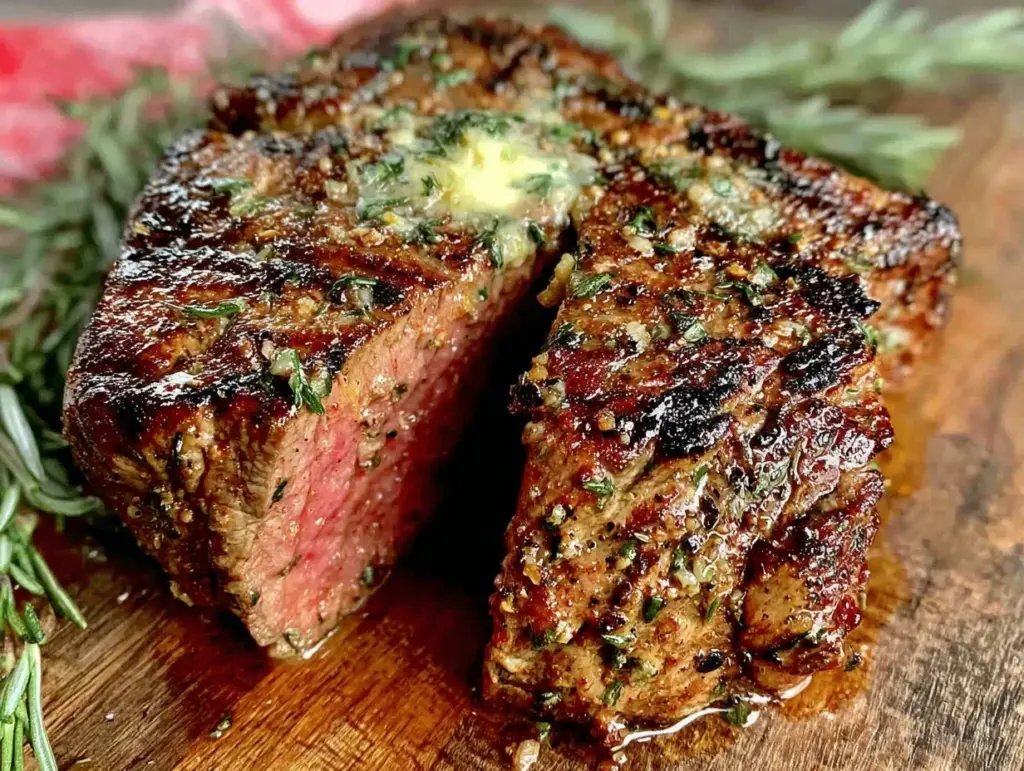
“You know that moment when you’re trying to impress someone special but don’t want to mess up dinner?” That was me one Friday evening, juggling a phone call from my best friend and trying to salvage a nearly burnt steak. Honestly, I had planned a simple pan-sear filet mignon, but I got distracted, and the kitchen turned into a bit of a disaster zone. Luckily, this little mishap led me to try the reverse sear method — and let me tell you, it changed the game.
It all started when I overheard a chat between the barista and a regular at my local coffee shop. The regular swore by the reverse sear for steak, saying it was the only way to get that perfect crust without overcooking the inside. Skeptical but desperate, I gave it a shot that weekend. I still remember the first bite: juicy, tender, with a crust so flavorful it almost made me close my eyes. Maybe you’ve been there, craving that perfect steak that’s tricky to nail at home.
Since then, this perfect reverse sear filet mignon has become my go-to recipe for date night dinners. It’s reliable, impressive, and honestly, a little fancy without the fuss. Plus, it’s forgiving enough for a distracted cook like me (and possibly you). If you’ve ever felt nervous about cooking steak just right, this method will feel like a breath of fresh air — even if your kitchen looks like a tornado passed through.
Why You’ll Love This Recipe
Having tested countless steak recipes, the perfect reverse sear filet mignon stands out for so many reasons:
- Quick & Easy: The process takes about 40 minutes, including resting time, making it perfect for busy weeknights or spontaneous date nights.
- Simple Ingredients: No need for fancy marinades or hard-to-find spices — just great steak, salt, pepper, and butter.
- Perfect for Date Night: It’s elegant enough to impress but not so complicated that you’ll spend half the evening in the kitchen.
- Crowd-Pleaser: Whether your partner is a steak aficionado or a casual diner, this recipe always gets rave reviews.
- Unbelievably Delicious: The reverse sear technique locks in juices while creating an irresistible crust — think tender inside, crispy outside.
What sets this recipe apart? It’s the little technique twist that makes all the difference. Instead of high-heat pan searing first — which risks overcooking — you slowly bring the steak to temperature in the oven, then finish with a quick sear. This way, the filet mignon cooks evenly, and you get that coveted caramelized crust with zero guesswork. Honestly, once you try this, you’ll wonder why anyone bothers with the old method.
Plus, this recipe feels like a sweet spot between fancy and fuss-free — perfect for impressing guests or creating a cozy dinner that tastes like a restaurant treat but comes from your own kitchen. I mean, isn’t that what every date night deserves?
What Ingredients You Will Need
This recipe uses simple, wholesome ingredients to deliver bold flavor and satisfying texture without the fuss. Most are pantry staples, and you probably have them on hand.
- Filet mignon steaks (2 steaks, about 6 oz / 170 g each, 1.5 to 2 inches thick) – Choose USDA Choice or Prime for the best marbling. I like organic grass-fed when I can get it.
- Sea salt (kosher salt preferred) – For seasoning the steak generously before cooking.
- Freshly ground black pepper – Adds a nice heat and complements the beefy flavor.
- Unsalted butter (2 tablespoons) – For basting during the final sear, adds richness.
- Fresh thyme or rosemary sprigs (optional, 2-3 sprigs) – Aromatic herbs that infuse subtle flavor during searing.
- Garlic cloves (2, lightly crushed) – Adds a savory aroma during the butter baste.
Ingredient tips: For the filet mignon, thicker cuts work best with the reverse sear method. If your steaks are thinner, you can adjust the oven time accordingly. I recommend using a reliable brand like ButcherBox or visiting a trusted local butcher for quality meat. If you’re avoiding dairy, swap butter for a high smoke point oil like avocado oil during searing, though butter does add that luxurious flavor you want here.
Feel free to swap thyme for rosemary or omit herbs if you prefer a more straightforward steak experience. And if fresh garlic isn’t your thing, a quick sprinkle of garlic powder on the steak before baking can also work in a pinch.
Equipment Needed
- Oven-safe wire rack and baking sheet: Essential for evenly cooking the steak in the oven without sitting in its own juices. If you don’t have a wire rack, you can improvise with a roasting rack or even crumpled foil (though results may vary).
- Cast iron skillet or heavy-bottomed pan: For that final sear, a cast iron skillet is unbeatable because it retains heat evenly and creates a great crust. I’ve tried stainless steel pans, but the cast iron gives the best, most consistent sear.
- Instant-read meat thermometer: Key for hitting the perfect doneness without cutting into the steak and releasing juices. I use a ThermoWorks Thermapen, but any reliable instant-read thermometer works.
- Tongs: For safely flipping the steak without piercing the meat (to keep those juices locked in).
If you’re on a budget, a simple oven-safe wire rack and a sturdy pan will do just fine. Maintaining your cast iron is simple: just dry it immediately after cleaning and lightly oil it to keep the seasoning intact. Honestly, it’s worth the little upkeep for the flavor payoff.
Preparation Method
- Preheat the oven to 250°F (120°C). This low temperature lets the steak cook evenly inside without rushing the process. It’s a peaceful, slow start to a great meal.
- Pat the filet mignon dry with paper towels. This step helps to get a better sear later. Season generously with sea salt and black pepper on all sides — don’t be shy! Let the steaks rest at room temperature for about 15 minutes while the oven heats.
- Place the steaks on a wire rack set over a baking sheet. This setup allows air to circulate around the meat, cooking it evenly. Pop them into the oven and set your timer for 20-30 minutes. The goal is to bring the internal temperature to about 115°F (46°C) for medium-rare. Use your instant-read thermometer to check after 20 minutes and monitor closely.
- Once the steaks reach target temperature, remove them from the oven. Let them rest while you prepare your skillet for searing. This pause is critical to keep the juices locked in.
- Heat your cast iron skillet over high heat until it’s smoking hot. This usually takes about 5 minutes. Add the butter, garlic cloves, and herb sprigs. The butter will foam and carry those lovely aromas.
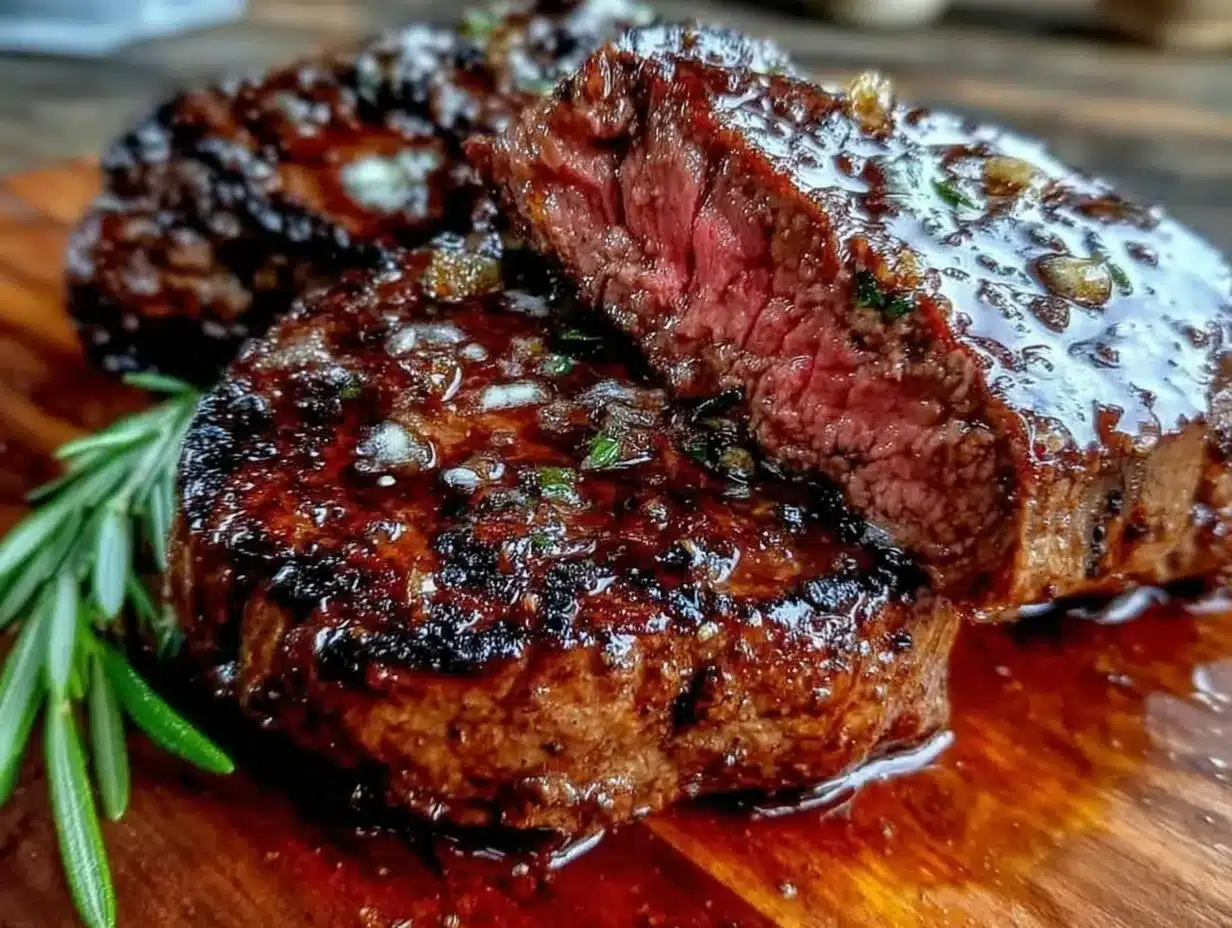
- Carefully place the steaks in the skillet. Sear each side for about 1.5 to 2 minutes, spooning the hot butter over the top continuously. This basting helps build that irresistible brown crust and infuse flavor. Don’t forget the edges — give them a quick roll to sear those sides too.
- Check the internal temperature again. For medium-rare, aim for 130°F (54°C); for medium, 140°F (60°C). Remember, the steak will continue to cook a bit after resting.
- Transfer the steaks to a warm plate and tent loosely with foil. Let them rest for 5-10 minutes. This final rest is where the magic happens — juices redistribute, and the steak reaches peak tenderness.
Pro tip: If you don’t have a thermometer, the steak should feel springy but not too soft when gently pressed. Also, avoid overcrowding your pan during searing; it can lower the temperature and prevent a good crust.
Cooking Tips & Techniques
Mastering the reverse sear comes down to a few key points I’ve learned the hard way:
- Patience is your friend: Don’t rush the oven phase. Low and slow is how you get even doneness edge to edge. I once got impatient and cranked the oven up — the steak ended up grayish in the middle and dry. Not fun.
- Use a meat thermometer: Without it, you’re guessing. I’ve burned many steaks relying on time alone. Thermometers take the guesswork out and help you nail your preferred doneness every time.
- Don’t skip resting: It’s tempting to cut right in, but resting lets the juices settle back inside. Cutting too soon causes a flood of deliciousness to run onto your plate.
- High heat for searing: Your pan should be smoking hot before contact. This quick, intense heat creates the crust you want without overcooking the inside.
- Baste with butter and herbs: It’s a simple trick that adds layers of flavor and keeps the steak moist during searing. Trust me, it’s worth the extra couple of minutes.
One time, I forgot the garlic during searing (classic!), and the steak tasted fine but lacked that rich aroma. It’s those little extras that truly make the meal shine.
Variations & Adaptations
Feel free to adjust this recipe based on your preferences or dietary needs. Here are some ideas I’ve tried or recommend:
- Herb Variations: Swap thyme or rosemary with sage or oregano for a different aromatic profile.
- Garlic-Free: If you’re sensitive to garlic, try adding a pinch of smoked paprika or a dash of Worcestershire sauce before searing for depth.
- Butter-Free: Use avocado oil or clarified butter for a dairy-free option that still sears beautifully.
- Alternative Cuts: While filet mignon is perfect for this method, ribeye or strip steaks can also be reverse seared with slightly adjusted oven times.
- Seasoning Twist: Mix salt and pepper with a pinch of chili powder or coffee grounds for an unexpected flavor kick.
Personally, I once swapped the butter for browned butter during searing — it added a nutty richness that paired beautifully with the filet. Give it a try if you’re feeling adventurous!
Serving & Storage Suggestions
Serve your perfect reverse sear filet mignon immediately after resting for the best experience. I like to plate it simply with a sprinkle of flaky sea salt and a few fresh herb sprigs for color. It pairs wonderfully with a glass of red wine — a Cabernet Sauvignon or Merlot works nicely.
Side dishes like garlic mashed potatoes, roasted asparagus, or a fresh arugula salad complement the steak without overshadowing it. For a cozy date night, keep the plating elegant but relaxed.
If you have leftovers (lucky you), wrap the steak tightly in foil and store it in the refrigerator for up to 2 days. Reheat gently in a low oven (about 250°F / 120°C) for 10-15 minutes to avoid overcooking. Avoid microwaving if you can — it tends to dry out the meat.
Flavors actually deepen a bit after resting overnight, so sometimes I slice thinly for steak sandwiches the next day. It’s a bonus treat!
Nutritional Information & Benefits
This recipe offers a satisfying, protein-packed meal with the benefits of a lean cut. Here’s a rough estimate per 6 oz (170 g) filet mignon serving:
- Calories: ~350
- Protein: 45 g
- Fat: 18 g (mostly from butter and marbling)
- Carbohydrates: 0 g
Filet mignon is naturally low in carbs and a great source of iron, zinc, and B vitamins, supporting energy and immune health. Using grass-fed beef can also increase omega-3 fatty acids and antioxidants.
For those watching saturated fat, trimming excess fat and moderating butter use helps keep it balanced. The recipe is naturally gluten-free and low-carb, making it suitable for a variety of dietary preferences.
From a wellness standpoint, this meal feels indulgent but is straightforward and satisfying — a perfect treat that won’t derail your goals.
Conclusion
Honestly, the perfect reverse sear filet mignon is one of those recipes that feels fancy but is surprisingly easy to master. It’s a dependable way to impress without stress and lets the quality of the steak shine through. I love how it transforms a simple cut into an elegant, juicy centerpiece that you can be proud of serving.
Feel free to make it your own with different herbs, seasoning, or sides — the core method stays the same and delivers every time. I hope this recipe becomes your secret weapon for cozy date nights or anytime you want a special meal without fuss.
Give it a try, share your tweaks, and let me know how it goes! Cooking should be fun, and great steak should be within everyone’s reach. Happy cooking!
FAQs
How thick should my filet mignon be for reverse searing?
Ideally, 1.5 to 2 inches thick. Thinner steaks cook too quickly and might not develop the perfect crust with this method.
Can I use the reverse sear method for other types of steak?
Yes! Ribeye, New York strip, and even thicker cuts like tomahawk work well with adjusted oven times.
What if I don’t have a wire rack?
You can place the steak directly on a baking sheet, but a wire rack allows for more even cooking by letting air circulate around the steak.
How do I know when the filet mignon is done?
Use an instant-read thermometer. For medium-rare, remove the steak from the oven at 115°F (46°C), then sear until the internal temperature reaches 130°F (54°C).
Can I prepare the steak ahead of time?
You can season and bring the steak to room temperature before cooking, but for best results, cook it fresh. Rested, cooked steak can be reheated gently as needed.
Pin This Recipe!

Perfect Reverse Sear Filet Mignon Recipe Easy for Date Night Dinner

A foolproof reverse sear method for filet mignon that delivers a juicy, tender steak with a flavorful crust, perfect for date night or any special occasion.
- Prep Time: 15 minutes
- Cook Time: 30 minutes
- Total Time: 45 minutes
- Yield: 2 servings 1x
- Category: Main Course
- Cuisine: American
Ingredients
- 2 filet mignon steaks (about 6 oz / 170 g each, 1.5 to 2 inches thick)
- Sea salt (kosher salt preferred), for seasoning
- Freshly ground black pepper, for seasoning
- 2 tablespoons unsalted butter, for basting
- 2–3 sprigs fresh thyme or rosemary (optional)
- 2 garlic cloves, lightly crushed
Instructions
- Preheat the oven to 250°F (120°C).
- Pat the filet mignon dry with paper towels. Season generously with sea salt and black pepper on all sides. Let the steaks rest at room temperature for about 15 minutes while the oven heats.
- Place the steaks on a wire rack set over a baking sheet. Bake in the oven for 20-30 minutes until the internal temperature reaches about 115°F (46°C) for medium-rare. Use an instant-read thermometer to check.
- Remove the steaks from the oven and let them rest while preparing the skillet.
- Heat a cast iron skillet over high heat until smoking hot, about 5 minutes. Add butter, garlic cloves, and herb sprigs. Allow the butter to foam and infuse with aromatics.
- Place the steaks in the skillet and sear each side for 1.5 to 2 minutes, spooning the hot butter over the steaks continuously. Sear the edges as well.
- Check the internal temperature again: 130°F (54°C) for medium-rare, 140°F (60°C) for medium.
- Transfer the steaks to a warm plate, tent loosely with foil, and let rest for 5-10 minutes before serving.
Notes
Use a reliable instant-read thermometer to ensure perfect doneness. Resting the steak after cooking is essential to redistribute juices. If avoiding dairy, substitute butter with avocado oil or clarified butter. For thinner steaks, reduce oven time accordingly. Avoid overcrowding the pan during searing to maintain high heat.
Nutrition
- Serving Size: 1 steak (6 oz / 170
- Calories: 350
- Fat: 18
- Protein: 45
Keywords: filet mignon, reverse sear, steak recipe, date night dinner, easy steak, pan sear, cast iron skillet, juicy steak