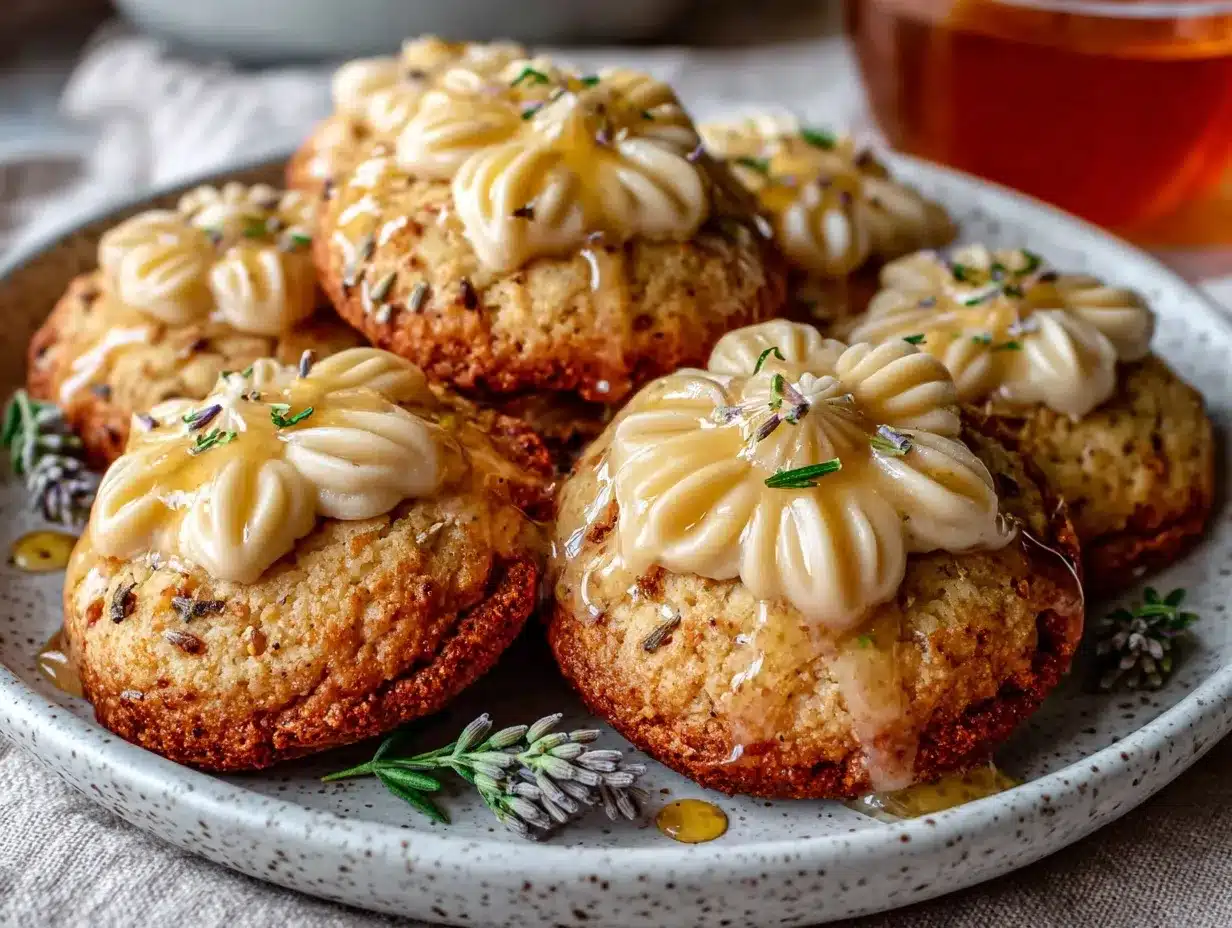
The first time I baked these Perfect Lavender Honey Shortbread Cookies with Lemon Royal Icing, I was scrambling to pull together a thoughtful gift for a last-minute hostess invite. Honestly, I wasn’t sure how the delicate floral notes of lavender would play with honey and a sharp lemon glaze, but curiosity got the better of me. The kitchen smelled like a secret garden mixed with fresh citrus before I even slid the tray into the oven. When I finally bit into one, that buttery shortbread melt combined with the subtle sweetness and zing of lemon icing had me quietly amazed. A simple mistake in measurements turned into a kitchen obsession—I found myself baking them over and over, tweaking the balance until it felt just right.
There’s something about this recipe that feels both fancy and comforting at once. It’s not a complicated bake, but the flavors come together like they’ve been rehearsing for years. These cookies aren’t just for special occasions either—they’re the kind you want to keep on hand for unexpected guests or a quiet cup of tea. I still remember the moment a friend texted me asking for the recipe after tasting one at a weekend brunch; it’s the kind of recipe that quietly wins you over, bite by bite.
It’s funny how the simplest ingredients, when treated with care and a little imagination, can become something memorable. That’s exactly why this recipe stuck with me. If you’re into baking that’s a little different but totally approachable, these cookies might just become your new favorite too.
Why You’ll Love This Recipe
After making the Perfect Lavender Honey Shortbread Cookies with Lemon Royal Icing multiple times, I can say they bring a unique charm to the cookie world. Here’s why they stand out and why you’ll want to try them ASAP:
- Quick & Easy: This recipe comes together in under 45 minutes, making it ideal for both casual bakers and those last-minute baking marathons.
- Simple Ingredients: No rare extracts or hard-to-find items—just pantry staples plus culinary lavender and honey, which you might already have or find easily at a local market.
- Perfect for Tea Time or Gifts: The elegant flavor combo makes these cookies a standout on any afternoon tea tray or packaged up as a sweet homemade gift.
- Crowd-Pleaser: Friends and family (including the picky ones) always ask for seconds, and the lemon royal icing adds a fresh twist that balances the rich shortbread.
- Unbelievably Delicious: The buttery, crumbly texture paired with floral and citrus notes is a treat that feels both delicate and satisfying.
What sets this recipe apart is the careful balance of flavors and textures. The lavender is just faint enough to add an aromatic lift without overpowering, and the honey adds a natural sweetness that feels cozy rather than cloying. The lemon royal icing is a breeze to make and gives the cookies a bright finish, making them look as delightful as they taste. Honestly, it’s the kind of bake that changes your mind about shortbread—turning a humble cookie into something truly special.
If you’ve enjoyed baking classics like fluffy blueberry lemon scones, you’ll appreciate the way this recipe captures that balance of sweet and tangy with a hint of floral magic.
What Ingredients You Will Need
This recipe uses simple, wholesome ingredients to deliver a bold flavor and satisfying texture without fuss. Most are pantry staples, with the addition of culinary lavender and raw honey to bring that signature twist.
- For the Shortbread Cookies:
- 1 cup (227g) unsalted butter, softened (use a good-quality brand like Kerrygold for best richness)
- 2/3 cup (140g) granulated sugar
- 2 tablespoons (42g) honey (I like clover or wildflower honey for a balanced sweetness)
- 1 teaspoon vanilla extract
- 1 3/4 cups (220g) all-purpose flour
- 1/2 cup (60g) cornstarch (adds that melt-in-your-mouth texture)
- 1 tablespoon dried culinary lavender buds (make sure they are food-grade and not ornamental)
- 1/4 teaspoon salt
- For the Lemon Royal Icing:
- 2 cups (240g) powdered sugar, sifted
- 2 tablespoons fresh lemon juice (about 1 medium lemon, freshly squeezed)
- 1 egg white (or 2 tablespoons meringue powder mixed with water for safety)
- Optional: a few drops of yellow gel food coloring for a sunny finish
Pro tip: If you’re cautious about raw egg whites, meringue powder is a safe and reliable alternative. Also, if you can find fresh lavender in season, you can gently grind it in a mortar and pestle to release more aroma before mixing it into the dough.
For a gluten-free twist, try swapping the all-purpose flour for a 1:1 gluten-free baking blend. I’ve tested with Bob’s Red Mill gluten-free flour with great results. And if honey isn’t your thing, maple syrup can work as a substitute but will slightly change the flavor profile.
Equipment Needed
- Mixing bowls (one large for dough, one medium for icing)
- Electric mixer or stand mixer (helps cream butter and sugar effortlessly)
- Measuring cups and spoons (precision matters for shortbread)
- Fine mesh sieve or sifter (for dry ingredients and powdered sugar)
- Rolling pin (a small silicone one works great for even thickness)
- Cookie cutters (I prefer simple rounds or scalloped edges for a classic look)
- Baking sheets lined with parchment paper or silicone mats
- Cooling rack (to let cookies cool evenly without sogginess)
- Small piping bag or zip-top bag with corner snipped (for icing application)
If you don’t have a stand mixer, a sturdy hand mixer works perfectly fine. For rolling, some folks like to roll dough between two sheets of parchment to avoid sticking—that’s a neat trick if you want to skip flouring your surface. I have a budget-friendly silicone rolling pin that’s easy to clean and prevents dough from sticking.
Maintaining your tools, like regularly cleaning your sieve and keeping your baking sheets in good condition, makes a surprising difference in cookie texture and appearance. I keep a dedicated baking station stocked with these basics so I’m always ready for an impromptu bake session.
Preparation Method
- Cream the Butter, Sugar, and Honey: In a large bowl, beat 1 cup (227g) softened unsalted butter with 2/3 cup (140g) granulated sugar and 2 tablespoons (42g) honey until the mixture is light and fluffy. This usually takes about 3-4 minutes with an electric mixer on medium speed. The texture should be creamy, and you’ll notice a slight sheen.
- Add Vanilla Extract: Mix in 1 teaspoon vanilla extract until combined. It adds that comforting warmth beneath the floral and citrus notes.
- Combine Dry Ingredients: In a separate bowl, sift together 1 3/4 cups (220g) all-purpose flour, 1/2 cup (60g) cornstarch, 1 tablespoon dried culinary lavender buds, and 1/4 teaspoon salt. The cornstarch is crucial here—it gives the shortbread that tender, crumbly texture you want.
- Incorporate Dry Into Wet: Gradually add the dry mixture to the butter mixture. Use a wooden spoon or mixer on low speed to combine until just coming together. The dough will be soft but not sticky. If it’s too crumbly, add a teaspoon of cold water to help bind.
- Chill the Dough: Shape the dough into a disk, wrap tightly with plastic wrap, and chill in the fridge for at least 30 minutes. This step firms up the dough and prevents spreading during baking.
- Preheat Oven and Prepare Baking Sheets: Preheat your oven to 325°F (163°C). Line baking sheets with parchment paper or silicone mats.
- Roll Out and Cut: On a lightly floured surface (or between parchment papers), roll the dough to about 1/4 inch (6mm) thickness. Use your cookie cutters to cut shapes and place them about 1 inch (2.5 cm) apart on the baking sheets.
- Bake: Bake for 18-20 minutes or until the edges are just turning golden. Keep a close eye starting at 18 minutes to prevent over-browning. The cookies should feel firm yet tender when touched.
- Cool Completely: Transfer cookies to a wire rack and let cool fully before icing. This usually takes about 30 minutes and prevents the icing from melting.
- Prepare Lemon Royal Icing: In a medium bowl, whisk together 2 cups (240g) sifted powdered sugar, 2 tablespoons fresh lemon juice, and 1 egg white (or meringue powder equivalent). Beat until smooth and glossy, about 3-5 minutes. If you want a sunny look, add a drop or two of yellow gel food coloring.
- Ice the Cookies: Spoon the icing into a piping bag or a zip-top bag with a small corner snipped. Pipe a thin layer or decorative pattern over each cookie. Let the icing dry at room temperature for at least 1 hour before storing or serving.
Troubleshooting tip: If your icing is too runny, add a little more powdered sugar. Too thick? A few drops of lemon juice or water will loosen it. Also, when rolling dough, if it feels sticky, chilling it a bit longer can help.
Cooking Tips & Techniques
Working with shortbread dough can be a little tricky if you’re not used to its delicate nature. Here are some tips I’ve learned from experience to make these cookies turn out perfectly every time:
- Don’t Overwork the Dough: Mix until just combined to avoid tough cookies. Over-kneading develops gluten and ruins that tender crumb.
- Chill Well: The dough is soft and buttery—chilling prevents spreading and helps maintain shape. I’ve learned the hard way that rushing this step leads to flat, oily cookies.
- Use Quality Butter and Honey: The flavor really shines through here. I’ve found that grass-fed butter and raw honey add a richer taste and better texture.
- Roll Evenly: Aim for consistent thickness so cookies bake evenly. Uneven cookies can lead to burned edges or underbaked centers.
- Keep an Eye on Baking Times: Ovens vary, so start checking at 18 minutes. The cookies should be pale golden on edges and not too dark.
- Patience with Icing: Let cookies cool fully before decorating. Otherwise, icing melts and runs. Also, allow icing to set completely before stacking or storing.
- Multitasking: While cookies bake, I usually prep the icing to save time. It’s a smooth workflow that keeps the kitchen humming.
One mistake I made early on was skipping the cornstarch—without it, the cookies were crumbly but lacked that signature melt-in-your-mouth feel. Adding it made all the difference. Also, using dried lavender buds instead of powder protects the dough from turning bitter and adds a nice texture contrast.
Variations & Adaptations
These cookies are pretty versatile and can be adapted to suit different tastes or dietary needs. Here are a few variations I’ve tried or recommend:
- Herb Twist: Swap lavender for dried rosemary or thyme for an herby shortbread that pairs wonderfully with a savory spread like savory bacon jam.
- Gluten-Free: Replace the all-purpose flour with a gluten-free blend. I recommend blending rice flour and tapioca starch for a tender crumb.
- Vegan Option: Use vegan butter and replace honey with maple syrup. For royal icing, try a simple glaze using powdered sugar and lemon juice.
- Seasonal Flavors: In summer, sprinkle crushed freeze-dried raspberries on the icing for a pop of color and tartness. In winter, add a pinch of ground cardamom or cinnamon to the dough.
- Different Icing: Instead of lemon royal icing, a lavender-infused white chocolate drizzle works beautifully for a sweeter finish.
My personal favorite is the herb twist with rosemary, especially when serving alongside a brunch spread featuring loaded avocado toast. The flavors are unexpected but pair so well together.
Serving & Storage Suggestions
These shortbread cookies are best enjoyed at room temperature, fresh from the kitchen but they also keep well for several days. Arrange them on a pretty plate or stack in a gift box lined with parchment for a thoughtful touch.
They pair perfectly with a hot cup of tea—Earl Grey or chamomile complement the floral and lemon notes wonderfully. For a cozy twist, try them with a splash of milk or alongside a lightly sweetened iced tea.
To store, keep cookies in an airtight container at room temperature for up to 5 days. If you want to keep them longer, they freeze well for up to 2 months. Just thaw at room temperature and refresh the icing if needed.
Reheating isn’t necessary, but a quick 5-7 seconds in the microwave softens the shortbread slightly if you prefer a tender bite. The flavors tend to mellow and meld even better after a day, so these cookies reward a bit of patience.
Nutritional Information & Benefits
Here’s a rough estimate per cookie (based on 24 cookies):
| Calories | 120 kcal |
|---|---|
| Fat | 7g (mostly from butter) |
| Carbohydrates | 14g |
| Protein | 1g |
| Sugar | 7g |
The use of honey provides natural sweetness with some trace antioxidants, and lavender is known for its calming properties, which might just add a little zen to your snack time. Lemon juice adds a boost of vitamin C in the icing, though in small amounts.
This recipe is gluten-containing by default but can be easily adapted for gluten-free diets. It’s a treat that fits nicely into an occasional indulgence without overloading on processed sugars or artificial flavors.
Conclusion
Making the Perfect Lavender Honey Shortbread Cookies with Lemon Royal Icing is a joyful experience that rewards with a cookie both elegant and comforting. They’re simple enough for everyday baking but special enough to impress guests or treat yourself when you need a little pick-me-up.
Feel free to make this recipe your own—adjust the lavender, try different icings, or pair with your favorite spreads, like the rich and savory candied bacon for a sweet-and-savory contrast. I love how this recipe manages to feel both timeless and a little adventurous, which is why it keeps calling me back to the kitchen.
If you give it a try, I’d love to hear how you made it yours. Share your tweaks, questions, or favorite pairings—I’m always excited to chat cookies!
FAQs
Can I use fresh lavender instead of dried?
Fresh lavender has a stronger, more intense flavor and higher moisture content, which can affect the dough’s texture. It’s best to use culinary-grade dried lavender for consistent flavor and texture.
Is it safe to use raw egg whites in the royal icing?
If you’re concerned about raw egg whites, you can substitute with meringue powder mixed as per package instructions. This is a safer alternative that still gives the icing its signature shine and texture.
How long do these cookies stay fresh?
Stored in an airtight container at room temperature, these cookies stay fresh for up to 5 days. They can also be frozen for up to 2 months.
Can I make the dough ahead of time?
Yes, you can prepare the dough and refrigerate it for up to 3 days before baking. Just bring it back to a slightly chilled state before rolling out for best results.
What’s the best way to store decorated cookies?
Once the royal icing is completely dry, store cookies in a single layer or with parchment paper between layers in an airtight container to prevent smudging or sticking.
Pin This Recipe!

Perfect Lavender Honey Shortbread Cookies Recipe with Easy Lemon Icing

Delicate and buttery shortbread cookies infused with culinary lavender and honey, topped with a bright and tangy lemon royal icing. Perfect for tea time, gifts, or any occasion.
- Prep Time: 15 minutes
- Cook Time: 20 minutes
- Total Time: 45 minutes
- Yield: 24 cookies 1x
- Category: Dessert
- Cuisine: American
Ingredients
- 1 cup (227g) unsalted butter, softened
- 2/3 cup (140g) granulated sugar
- 2 tablespoons (42g) honey (clover or wildflower recommended)
- 1 teaspoon vanilla extract
- 1 3/4 cups (220g) all-purpose flour
- 1/2 cup (60g) cornstarch
- 1 tablespoon dried culinary lavender buds
- 1/4 teaspoon salt
- 2 cups (240g) powdered sugar, sifted
- 2 tablespoons fresh lemon juice (about 1 medium lemon)
- 1 egg white (or 2 tablespoons meringue powder mixed with water)
- Optional: a few drops of yellow gel food coloring
Instructions
- In a large bowl, beat 1 cup softened unsalted butter with 2/3 cup granulated sugar and 2 tablespoons honey until light and fluffy, about 3-4 minutes with an electric mixer on medium speed.
- Mix in 1 teaspoon vanilla extract until combined.
- In a separate bowl, sift together 1 3/4 cups all-purpose flour, 1/2 cup cornstarch, 1 tablespoon dried culinary lavender buds, and 1/4 teaspoon salt.
- Gradually add the dry mixture to the butter mixture, mixing on low speed until just combined. If dough is too crumbly, add 1 teaspoon cold water to help bind.
- Shape dough into a disk, wrap tightly with plastic wrap, and chill in the refrigerator for at least 30 minutes.
- Preheat oven to 325°F (163°C). Line baking sheets with parchment paper or silicone mats.
- Roll dough on a lightly floured surface or between parchment papers to about 1/4 inch (6mm) thickness. Cut into shapes with cookie cutters and place 1 inch apart on baking sheets.
- Bake for 18-20 minutes or until edges are just turning golden. Check starting at 18 minutes to avoid over-browning.
- Transfer cookies to a wire rack and cool completely, about 30 minutes, before icing.
- To prepare lemon royal icing, whisk together 2 cups sifted powdered sugar, 2 tablespoons fresh lemon juice, and 1 egg white (or meringue powder equivalent) until smooth and glossy, about 3-5 minutes. Add yellow gel food coloring if desired.
- Spoon icing into a piping bag or zip-top bag with a small corner snipped and pipe a thin layer or decorative pattern over each cookie.
- Let icing dry at room temperature for at least 1 hour before storing or serving.
Notes
Use culinary-grade dried lavender for best flavor and texture. Meringue powder is a safe alternative to raw egg whites in the icing. Chill dough well to prevent spreading. Start checking cookies at 18 minutes to avoid over-baking. For gluten-free, substitute all-purpose flour with a 1:1 gluten-free blend. Maple syrup can replace honey but will alter flavor. Let icing dry completely before storing to prevent smudging.
Nutrition
- Serving Size: 1 cookie
- Calories: 120
- Sugar: 7
- Fat: 7
- Carbohydrates: 14
- Protein: 1
Keywords: lavender cookies, honey shortbread, lemon icing, royal icing, floral cookies, tea time cookies, easy shortbread, homemade gifts