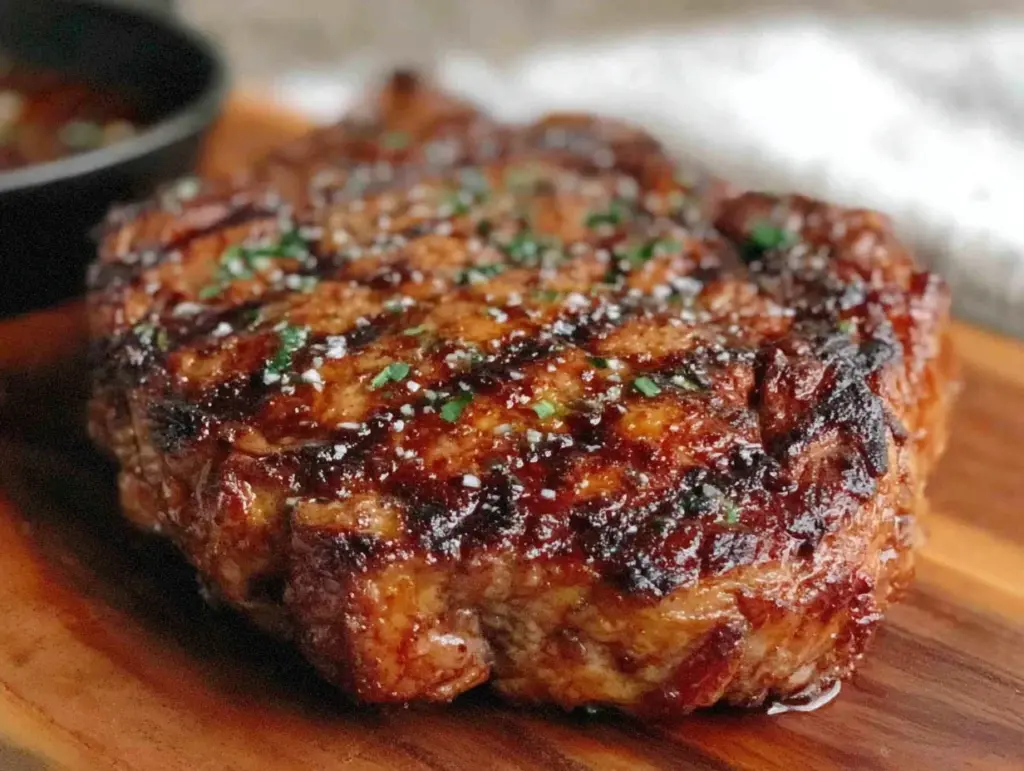
“You won’t believe this, but it was actually my neighbor, old Mr. Jenkins—the quiet guy who’s more into woodworking than cooking—who handed me the secret to the perfect cast iron bone-in ribeye. I was helping him fix a loose fence last summer when he paused, wiped his brow, and said, ‘If you want a steak that makes you forget every other, try this.’ I honestly thought he was joking until he invited me over for dinner a few days later. That sizzling sound as the ribeye hit his cast iron skillet was something else. The smell alone pulled me right into the kitchen, like a warm invitation I didn’t want to refuse.
Now, I’m not supposed to play favorites with recipes, but this one has been my go-to whenever I want to impress without a fuss. Maybe you’ve been there—craving that perfect steak dinner but not wanting to wrestle with complicated steps or weird ingredients. This recipe nails that hefty, juicy ribeye with a crispy sear and that luscious red wine pan sauce that’s just the right balance of rich and tangy. And let me tell you, one time I forgot to turn the stove down after searing, and the smoke alarm serenaded me for a good five minutes. Still, the steak came out incredible—smoky, tender, and downright unforgettable.
It’s the kind of dish that makes you close your eyes after the first bite, savoring every flavor. Whether you’re cooking for a special occasion or just treating yourself on a random Tuesday, this perfect cast iron bone-in ribeye with easy red wine sauce will stick with you like an old friend you want to visit often.
Why You’ll Love This Recipe
- Quick & Easy: This recipe comes together in under 30 minutes, perfect for busy weeknights or last-minute dinner plans.
- Simple Ingredients: No fancy grocery trips or obscure spices needed. You probably have most of these in your kitchen already.
- Perfect for Impressing: Whether it’s a date night or a small dinner party, this ribeye steals the show without stress.
- Crowd-Pleaser: It’s always a hit with meat lovers and steak skeptics alike.
- Unbelievably Delicious: The cast iron sear locks in juices while the red wine pan sauce adds a gourmet touch that feels special but isn’t complicated.
This isn’t just another steak recipe; it’s the method that I swear by. The key is in the cast iron skillet’s heat retention that gives the ribeye that iconic crust, while the bone-in cut amps up the flavor and juiciness. The red wine pan sauce? That’s my twist—simple, with a perfect tang and depth, made from the skillet’s drippings so nothing goes to waste. Honestly, it’s comfort food with a little flair, and you’ll find yourself coming back to it again and again.
What Ingredients You Will Need
This recipe uses simple, wholesome ingredients to deliver bold flavor and a satisfying texture without the fuss. Most are pantry staples or easy to find at your local market.
- Bone-in ribeye steak (1.5 to 2 inches thick, about 16-20 oz) – Look for well-marbled cuts for best flavor and tenderness.
- Salt (kosher salt preferred) – Enhances natural meat flavor.
- Freshly ground black pepper – Adds sharpness and depth.
- Olive oil (2 tablespoons) – For searing (I like a good quality extra virgin like California Olive Ranch).
- Unsalted butter (2 tablespoons) – Adds richness and helps with basting.
- Fresh garlic cloves (2, smashed) – Gives aromatic flavor during basting.
- Fresh thyme or rosemary sprigs (2-3 sprigs) – Infuses herbal notes into the steak.
For the red wine pan sauce:
- Shallot (1 small, finely minced) – Adds mild sweetness and complexity.
- Dry red wine (3/4 cup / 180 ml) – Choose a good, drinkable wine like Cabernet Sauvignon or Merlot.
- Beef broth (1/2 cup / 120 ml) – Deepens the sauce flavor.
- Cold unsalted butter (1 tablespoon, cubed) – For finishing the sauce with a glossy texture.
- Salt and pepper to taste.
Optional substitutions: If you want to keep it dairy-free, swap the butter with a neutral oil. For a non-alcoholic version of the sauce, use grape juice with a splash of balsamic vinegar instead of red wine. In summer, fresh thyme from the garden gives the best aroma, but dried herbs work fine in a pinch.
Equipment Needed
- Cast iron skillet: This is the hero for the perfect sear. I’ve tried stainless steel, but nothing compares to cast iron’s heat retention. If you don’t own one yet, a heavy-bottomed stainless steel pan will do in a pinch.
- Tongs: For flipping the steak without piercing it, which keeps the juices locked in.
- Instant-read meat thermometer: Absolutely worth the investment to hit your desired doneness every time. I use a ThermoPro and it’s saved me from overcooked steaks more times than I can count.
- Spoon: For basting the steak with butter and herbs during cooking.
- Small saucepan or use the same skillet for pan sauce: If you want to keep cleanup minimal, just use the same skillet after resting the steak.
Maintenance tip: Season your cast iron regularly to keep it non-stick and rust-free. If you’re on a budget, secondhand cast iron pans at thrift stores are gems waiting to be rescued.
Preparation Method
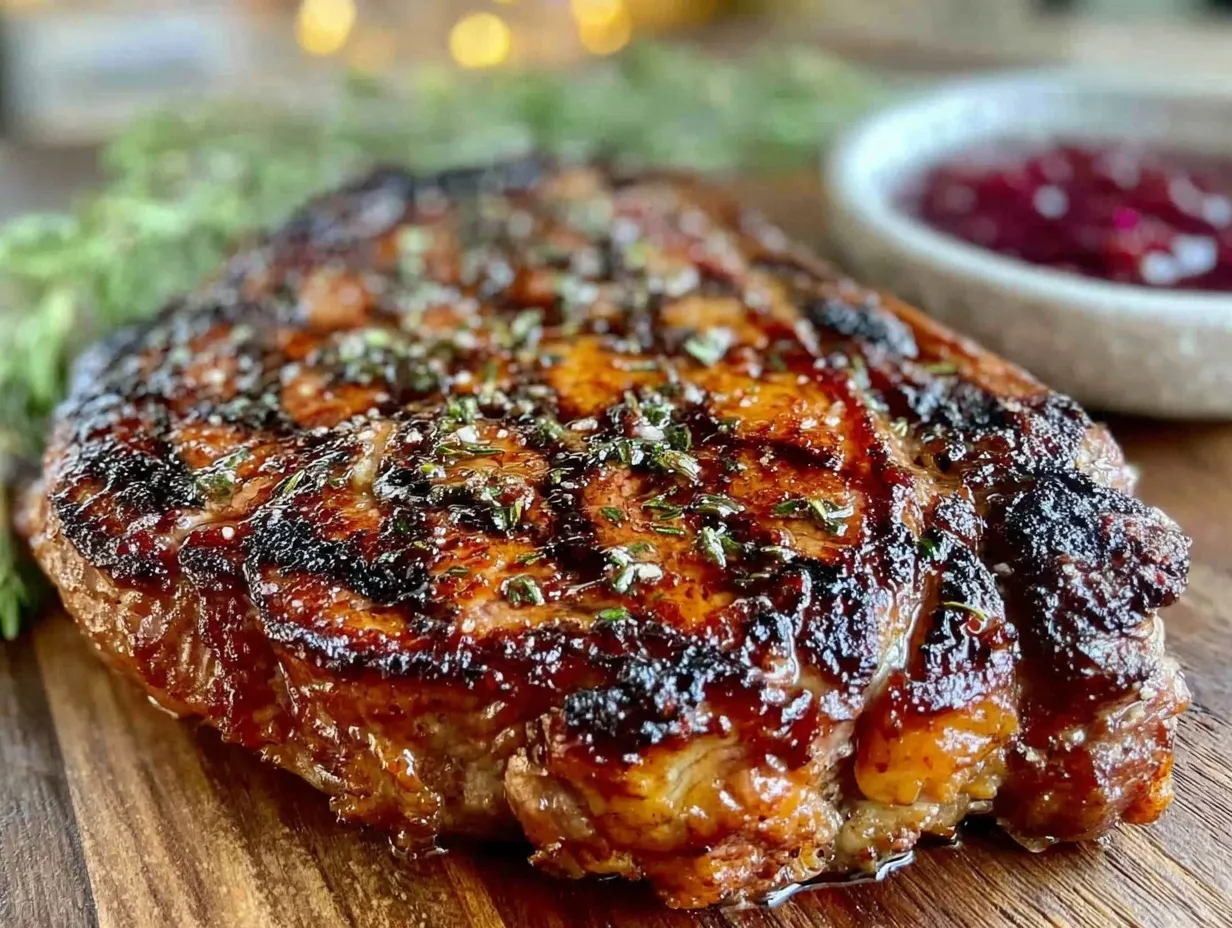
- Bring the steak to room temperature: Remove the ribeye from the fridge about 30-40 minutes before cooking. This helps it cook evenly. (If you’re in a hurry, 20 minutes works too, but don’t skip this step!)
- Season generously: Pat the steak dry with paper towels. Sprinkle kosher salt and freshly ground black pepper liberally on all sides. Don’t be shy—this crust is all about flavor. Let it sit while you heat the pan.
- Preheat your cast iron skillet: Place the skillet over medium-high heat for about 5 minutes. You want it screaming hot but not smoking like a campfire. A drop of water should sizzle and evaporate instantly.
- Add olive oil: Pour in 2 tablespoons and swirl to coat the bottom evenly.
- Sear the steak: Place the ribeye gently into the hot skillet. You should hear that glorious sizzle—if not, the pan isn’t hot enough. Cook for 4-5 minutes without moving it; this creates the perfect crust.
- Flip and sear the other side: Use tongs to turn the steak. Add butter, smashed garlic, and herb sprigs to the pan. Tilt the pan slightly and spoon the melted butter over the steak repeatedly (basting) for about 3-4 minutes. This bastes flavor inside and out.
- Check temperature: Insert the instant-read thermometer into the thickest part of the steak. Aim for 125°F (52°C) for medium-rare, 135°F (57°C) for medium. Remember, the steak will continue cooking while resting.
- Rest the steak: Transfer it to a plate or cutting board and tent loosely with foil. Rest for 10 minutes to let juices redistribute. This is key—cutting too soon will send all the good stuff running onto your plate.
- Make the red wine pan sauce: Pour off excess fat from the skillet, leaving about 1 tablespoon. Add the minced shallot and cook over medium heat until softened, about 2 minutes.
- Deglaze with red wine: Pour in 3/4 cup (180 ml) of red wine, scraping up all those browned bits with a wooden spoon. Let it simmer and reduce by half (about 5-7 minutes).
- Add beef broth: Stir in 1/2 cup (120 ml) and continue simmering until the sauce thickens slightly, about 4 more minutes.
- Finish with butter: Remove from heat and whisk in cold butter cubes until the sauce is silky and glossy. Season with salt and pepper to taste.
- Serve: Slice the ribeye against the grain, drizzle with the red wine sauce, and enjoy every bite!
Cooking Tips & Techniques
One of the biggest mistakes I see is not getting the pan hot enough at the start—if your skillet isn’t screaming hot, you won’t get that crave-worthy crust. Don’t rush the sear; patience here pays off big time.
Basting with butter and herbs might sound fancy, but it’s honestly a game changer. It infuses the steak with flavor and helps keep it moist. Just be careful with the heat so the butter doesn’t burn—lower the flame if it starts smoking.
Using a meat thermometer is your best friend—guesswork can leave you with a steak that’s too rare or overdone. Also, resting the steak after cooking is non-negotiable. I learned this the hard way when I cut into a steak immediately, and all the juices pooled on the plate.
When making the pan sauce, scraping those brown bits from the skillet is where the magic happens. It’s called deglazing, and it builds deep flavor with minimal effort.
If you want to multitask, start prepping the sauce ingredients while the steak is resting. That way, everything comes together quickly and warm.
Variations & Adaptations
- Herb Butter Twist: Swap the plain butter for a compound herb butter (mix softened butter with garlic, parsley, and lemon zest) to top the steak right before serving.
- Spicy Kick: Add a pinch of cayenne or smoked paprika to the steak seasoning for a subtle heat that pairs beautifully with the red wine sauce.
- Gluten-Free Option: Confirm your beef broth is gluten-free (many are, but always check). Otherwise, substitute with homemade broth or water plus a splash of soy sauce alternative.
- Alternate Pan Sauce: Try swapping red wine with port or balsamic vinegar for a sweeter, richer sauce. I once did this on a whim late at night and loved the result.
For cooking methods, if you prefer grilling, sear your ribeye on the grill and then finish with the pan sauce made in a separate skillet. Oven finishing works too: after searing, pop the ribeye into a 400°F (200°C) oven for 5-7 minutes to your desired doneness.
Serving & Storage Suggestions
This steak is best served hot, right after resting and saucing. Pair it with roasted garlic mashed potatoes, steamed green beans, or a simple arugula salad dressed with lemon vinaigrette. A glass of the same red wine you used in the sauce ties the meal together beautifully.
Leftovers? Wrap them tightly in foil or store in an airtight container in the fridge for up to 3 days. Reheat gently in a skillet over low heat or in the oven wrapped in foil to avoid drying out.
Interestingly, the flavors of the red wine pan sauce deepen overnight, making it a perfect make-ahead component if you want to prep ahead on a busy day.
Nutritional Information & Benefits
A 16-ounce bone-in ribeye typically provides about 1200 calories, with roughly 90 grams of fat and 80 grams of protein, making it quite rich and satisfying. The steak is a great source of iron, zinc, and B vitamins, essential for energy and immune function.
The red wine sauce adds antioxidants from the wine and shallots, with minimal added calories. If you’re watching fat intake, you can reduce butter or swap it with olive oil.
This recipe is naturally gluten-free and low in carbohydrates, fitting nicely into paleo and keto diets. Just be mindful of portion size if you’re counting calories.
From a wellness perspective, I appreciate how this recipe balances indulgence with simple, whole ingredients and allows for customization depending on dietary needs.
Conclusion
So, if you’ve been hunting for a straightforward way to make a restaurant-style ribeye steak at home, this perfect cast iron bone-in ribeye recipe with easy red wine sauce is your new best friend. It’s approachable, rewarding, and honestly, a little bit fun to make. Customize it with your favorite herbs or spice it up to suit your mood. I love this recipe because it brings a touch of luxury to my weeknights without turning the kitchen into a disaster zone (though a little smoke is part of the charm!).
Give it a try, share your tweaks in the comments, and don’t be shy about making it your own. After all, the best recipes are the ones that make you smile every time you eat them. Now go grab that cast iron skillet and get cooking—you’ve got a steak night to remember!
FAQs
What temperature should I cook a bone-in ribeye to?
For medium-rare, aim for an internal temperature of 125°F (52°C). Medium is about 135°F (57°C). Always use a meat thermometer for best results.
Can I use a boneless ribeye instead?
Yes, but the bone adds flavor and helps with even cooking. Boneless will cook a bit faster, so adjust your timing accordingly.
What if I don’t have red wine for the pan sauce?
You can substitute with beef broth and a splash of balsamic vinegar or grape juice for a non-alcoholic option.
How do I prevent my cast iron skillet from sticking?
Make sure it’s well-seasoned and preheated properly. Pat the steak dry before searing and avoid moving it too soon.
Can I prepare the red wine sauce ahead of time?
Absolutely! Make it up to 24 hours in advance and gently reheat before serving. The flavors often taste even better the next day.
Pin This Recipe!
Perfect Cast Iron Bone-In Ribeye Recipe with Easy Red Wine Sauce

A straightforward recipe for a juicy, bone-in ribeye steak seared in a cast iron skillet and served with a rich, tangy red wine pan sauce. Perfect for impressing guests or a special weeknight treat.
- Prep Time: 40 minutes
- Cook Time: 15 minutes
- Total Time: 55 minutes
- Yield: 1 steak (serves 1-2) 1x
- Category: Main Course
- Cuisine: American
Ingredients
- 1 bone-in ribeye steak (1.5 to 2 inches thick, about 16–20 oz)
- Kosher salt, to taste
- Freshly ground black pepper, to taste
- 2 tablespoons olive oil
- 2 tablespoons unsalted butter
- 2 fresh garlic cloves, smashed
- 2–3 sprigs fresh thyme or rosemary
- 1 small shallot, finely minced
- 3/4 cup dry red wine (e.g., Cabernet Sauvignon or Merlot)
- 1/2 cup beef broth
- 1 tablespoon cold unsalted butter, cubed
- Salt and pepper, to taste
Instructions
- Remove the ribeye from the fridge about 30-40 minutes before cooking to bring it to room temperature.
- Pat the steak dry with paper towels. Season generously with kosher salt and freshly ground black pepper on all sides.
- Preheat a cast iron skillet over medium-high heat for about 5 minutes until very hot.
- Add 2 tablespoons olive oil to the skillet and swirl to coat the bottom evenly.
- Place the ribeye gently into the hot skillet and sear for 4-5 minutes without moving it to create a crust.
- Flip the steak using tongs. Add butter, smashed garlic, and herb sprigs to the pan. Tilt the pan and baste the steak with melted butter for 3-4 minutes.
- Check the internal temperature with an instant-read thermometer: 125°F (52°C) for medium-rare, 135°F (57°C) for medium.
- Transfer the steak to a plate or cutting board, tent loosely with foil, and rest for 10 minutes.
- Pour off excess fat from the skillet, leaving about 1 tablespoon. Add minced shallot and cook over medium heat until softened, about 2 minutes.
- Deglaze the skillet with 3/4 cup red wine, scraping up browned bits. Simmer and reduce by half, about 5-7 minutes.
- Add 1/2 cup beef broth and continue simmering until sauce thickens slightly, about 4 minutes.
- Remove from heat and whisk in cold butter cubes until sauce is silky and glossy. Season with salt and pepper to taste.
- Slice the ribeye against the grain, drizzle with red wine sauce, and serve.
Notes
Bring steak to room temperature before cooking for even doneness. Use a meat thermometer to avoid overcooking. Rest steak for 10 minutes before slicing to retain juices. Basting with butter and herbs adds flavor and moisture. Deglaze skillet to make a rich pan sauce. For dairy-free, substitute butter with neutral oil. For non-alcoholic sauce, use grape juice with balsamic vinegar instead of red wine.
Nutrition
- Serving Size: One 16-20 oz bone-in
- Calories: 1200
- Sugar: 2
- Sodium: 600
- Fat: 90
- Saturated Fat: 36
- Carbohydrates: 5
- Protein: 80
Keywords: ribeye steak, cast iron skillet, red wine sauce, bone-in ribeye, steak recipe, easy steak dinner, pan sauce, seared steak