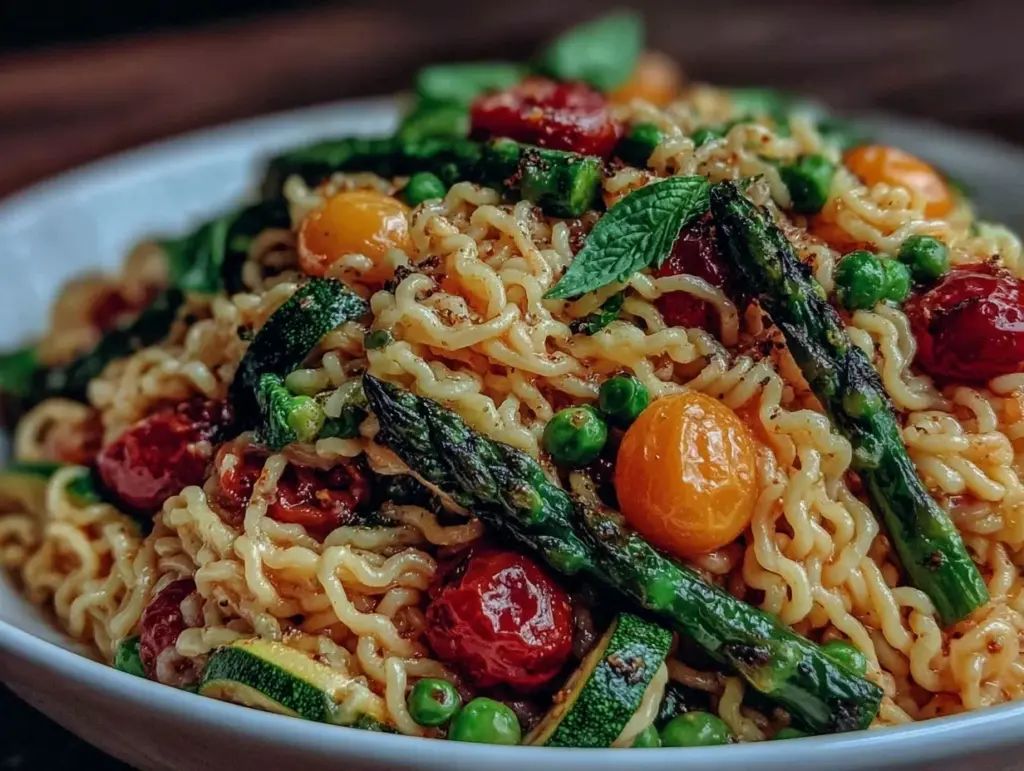
Let me tell you, the scent of fresh basil mingling with tender spring vegetables and al dente pasta is enough to make anyone’s mouth water. The first time I tossed together this fresh spring pasta primavera with basil, it was on a breezy Saturday afternoon, the kind of moment where you pause, take a deep breath, and just smile because you know you’re onto something truly special. I was knee-high to a grasshopper when my grandma used to make variations of this dish, but this version—with its bright, fresh basil and crisp, garden-picked veggies—feels like a rediscovery of that pure, nostalgic comfort I didn’t realize I was missing.
Honestly, my family couldn’t stop sneaking bites off the plate while I was plating it (and I can’t really blame them). This recipe is dangerously easy but tastes like you’ve been slaving away in the kitchen for hours. Perfect for those light spring dinners or when you want to brighten up your Pinterest recipe board with something colorful and wholesome. You know what’s great? It’s just the right kind of fresh and flavorful to impress guests without stress. I’ve tested this recipe more times than I can count—in the name of research, of course—and it’s become a staple for family gatherings, weeknight meals, and even casual lunchboxes. If you haven’t tried fresh spring pasta primavera with basil yet, you’re going to want to bookmark this one.
Why You’ll Love This Recipe
This fresh spring pasta primavera with basil isn’t just another pasta dish—it’s a celebration of spring on a plate, and here’s why it’s a keeper:
- Quick & Easy – Comes together in under 30 minutes, perfect for busy weeknights or last-minute cravings.
- Simple Ingredients – No fancy grocery trips needed; you likely already have most of these pantry staples and fresh veggies.
- Perfect for Spring & Summer – Bright, seasonal vegetables make it a great dish for warm-weather meals and light entertaining.
- Crowd-Pleaser – Always gets rave reviews from kids and adults alike, even the pickiest eaters.
- Unbelievably Delicious – The combo of fresh basil, garlic, and crisp veggies with perfectly cooked pasta is pure comfort food with a fresh twist.
What makes this recipe stand out is the way the basil is added right at the end, giving it a punch of fresh herbal aroma that you just don’t get in other pasta primavera recipes. Plus, I like to toss the vegetables quickly in olive oil and garlic—keeps them crisp but full of flavor. This isn’t just good; it’s the kind of meal that makes you close your eyes after the first bite and smile. You’ll find it’s healthier, faster, and still packed with the soul-soothing satisfaction you want from a pasta dish.
What Ingredients You Will Need
This fresh spring pasta primavera with basil uses simple, wholesome ingredients to deliver bold flavor and satisfying texture without the fuss. Most of these are pantry staples or easy-to-find fresh veggies that scream spring freshness.
- Pasta: 12 oz (340 g) of your favorite pasta (I prefer penne or farfalle for this recipe)
- Olive oil: 3 tablespoons (extra virgin, for best flavor)
- Garlic: 3 cloves, minced (fresh is key here)
- Asparagus: 1 bunch, trimmed and cut into 2-inch pieces (bright and tender)
- Peas: 1 cup fresh or frozen (adds a subtle sweetness)
- Cherry tomatoes: 1 cup, halved (I love using sweet, vine-ripened varieties)
- Zucchini: 1 medium, sliced into half-moons (adds crunch and color)
- Fresh basil: 1 cup, loosely packed and roughly chopped (this is the star herb!)
- Parmesan cheese: ½ cup grated (optional but highly recommended for that savory finish)
- Lemon zest: Zest from one lemon (adds a bright citrus note)
- Salt & pepper: To taste (season generously for balanced flavor)
If you want, you can swap out the zucchini for yellow squash when it’s in season, or use gluten-free pasta if you’re avoiding gluten. I recommend Barilla pasta for a perfect al dente bite. When it comes to cheese, freshly grated Parmigiano-Reggiano gives the best melt and flavor. And if fresh peas aren’t your thing, frozen works just fine—just toss them in at the end to keep their pop.
Equipment Needed
- Large pot for boiling pasta (a 6-quart pot works well)
- Large sauté pan or skillet (preferably non-stick or stainless steel)
- Colander for draining pasta
- Chef’s knife and cutting board for prepping vegetables
- Microplane or grater (for lemon zest and Parmesan)
- Wooden spoon or silicone spatula (for stirring without scratching pans)
If you don’t have a large sauté pan, a wide frying pan will do just fine. I’ve also used a cast iron skillet for this recipe, and it holds heat beautifully, but be sure to keep the heat moderate to avoid overcooking the veggies. A good-quality chef’s knife makes a world of difference in prep time—sharp and comfortable is the way to go. For budget options, any basic kitchen set with these essentials will work—you don’t need fancy gadgets for this one.
Preparation Method
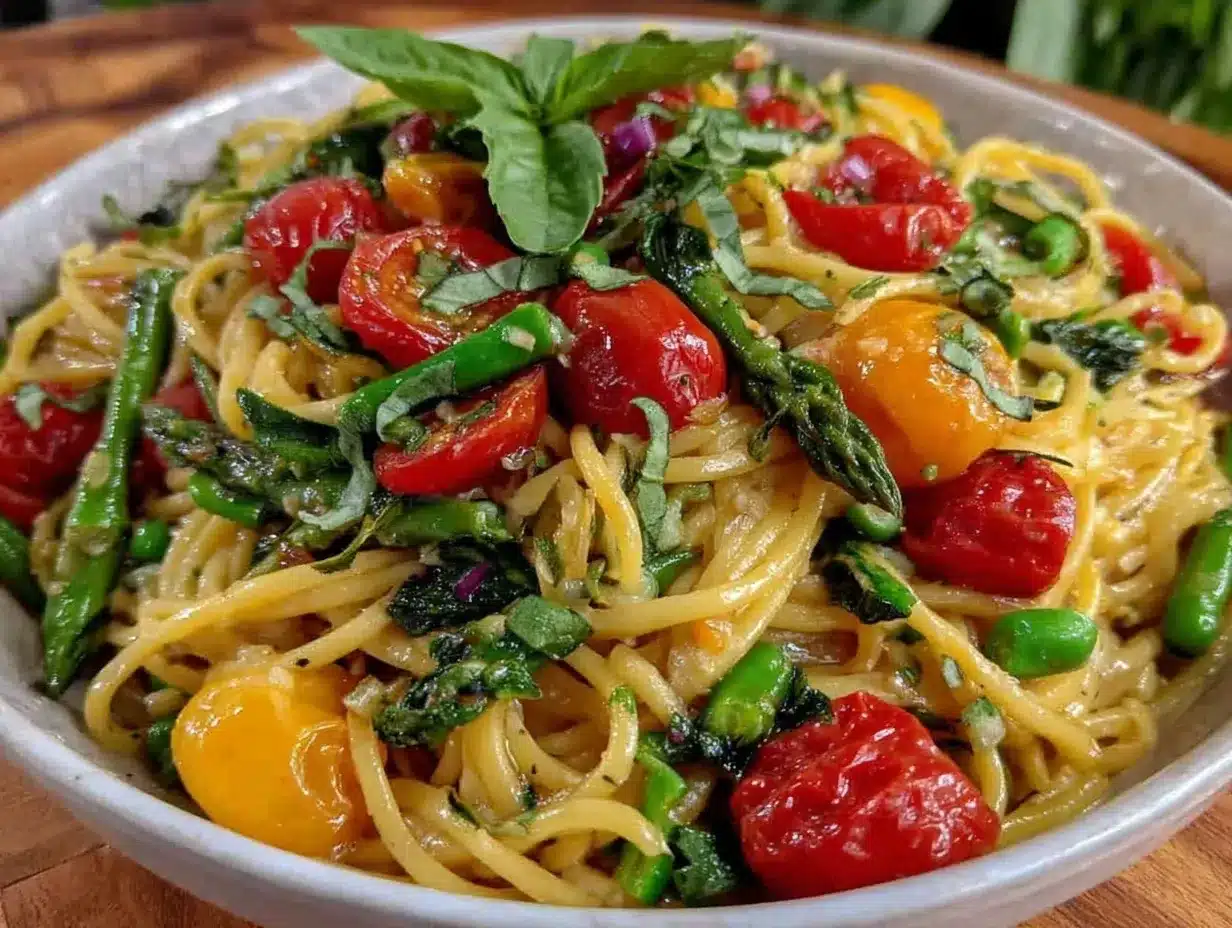
- Bring a large pot of salted water to a boil. Add 12 oz (340 g) of pasta and cook according to package instructions until al dente, usually around 9-11 minutes. Reserve ½ cup (120 ml) of pasta water before draining.
- While pasta cooks, prepare the vegetables. Trim asparagus and cut into 2-inch pieces; halve cherry tomatoes; slice zucchini into half-moons; mince garlic; roughly chop fresh basil.
- Heat 3 tablespoons olive oil in a large sauté pan over medium heat. Add minced garlic and sauté for about 30 seconds until fragrant but not browned. Watch carefully to avoid bitterness.
- Add asparagus and zucchini to the pan. Cook for 4-5 minutes, stirring occasionally, until just tender but still crisp. You want that snap in your veggies—don’t overcook!
- Toss in the peas and cherry tomatoes. Cook for another 2 minutes; the tomatoes should soften slightly but keep their shape, and peas should be bright green and tender.
- Add the drained pasta to the skillet. Pour in reserved pasta water a little at a time to create a light sauce and help everything come together. Stir gently.
- Remove pan from heat and stir in lemon zest, chopped fresh basil, and half of the grated Parmesan. Season generously with salt and freshly ground black pepper to taste. The basil will release its aroma and flavor beautifully at this stage.
- Plate the pasta primavera immediately. Sprinkle remaining Parmesan on top for a savory finish and add a drizzle of olive oil if you like a little extra richness.
Pro tip: If your pasta seems dry, don’t hesitate to add a splash more of reserved pasta water—it’s magic for bringing everything together without watering down flavor. Also, keep your heat moderate when cooking the veggies; high heat can make them lose that vibrant color and crispness you want.
Cooking Tips & Techniques
For best results with this fresh spring pasta primavera with basil, here are some tips I’ve picked up over the years:
- Don’t overcook the veggies. You want them bright and crisp—not mushy. Quick sautéing preserves their snap and natural sweetness.
- Use reserved pasta water. It contains starch that helps bind the sauce to the pasta, giving a silky finish without extra cream or butter.
- Add basil off the heat. Cooking basil too long can dull its vibrant flavor and turn it bitter. Stir it in right at the end for that fresh punch.
- Season as you go. Salt layers flavor; don’t wait until the end to season everything. Taste often.
- Multitask efficiently. While pasta boils, prep and cook your vegetables. This saves time and keeps everything fresh.
I once made the mistake of adding basil too early and ended up with a dull flavor—it was a lesson learned! Also, over-salting is easy to do, so start with less and adjust. And if you want a bit of heat, a pinch of red pepper flakes goes great with the fresh basil and veggies.
Variations & Adaptations
This fresh spring pasta primavera with basil is pretty flexible, and I love to switch it up depending on the season or mood.
- Vegetarian to Vegan: Skip the Parmesan and add nutritional yeast or vegan cheese for that savory tang.
- Protein Boost: Toss in grilled chicken, shrimp, or even crispy tofu cubes for a heartier meal.
- Seasonal Swaps: Use fresh peas and asparagus in spring; swap in roasted bell peppers or artichokes in summer; add mushrooms and kale come fall.
- Gluten-Free: Use your favorite gluten-free pasta, such as brown rice or chickpea-based pasta.
- Herb Twists: Try swapping basil for fresh mint or tarragon for a different herbal lift.
Personally, I once added a handful of toasted pine nuts and a drizzle of balsamic glaze to give it a sweet crunch and a bit of zing—it was a hit at a casual dinner party! Feel free to mix and match based on what’s in your fridge or garden.
Serving & Storage Suggestions
This fresh spring pasta primavera with basil is best served warm and fresh for that crisp veggie texture and aromatic basil punch. Plate it simply with a sprinkle of Parmesan and a drizzle of good olive oil for a rustic look. It pairs beautifully with a chilled glass of white wine or sparkling water with lemon.
If you have leftovers, store them in an airtight container in the refrigerator for up to 2 days. The pasta will soak up the sauce a bit and veggies soften, so for reheating, sprinkle a little water over the top and warm gently in a skillet or microwave to keep it from drying out.
Flavors actually develop a bit after resting, so if you can, make it a few hours ahead and let it sit covered at room temperature (or in the fridge for longer). Just give it a quick toss before serving to refresh the basil aroma.
Nutritional Information & Benefits
One serving of this fresh spring pasta primavera with basil (about 1.5 cups) provides roughly:
| Nutrient | Amount |
|---|---|
| Calories | 350-400 kcal |
| Protein | 12-15 g |
| Carbohydrates | 50-55 g |
| Fat | 10-12 g (mostly from olive oil and cheese) |
| Fiber | 5-7 g |
The fresh vegetables pack vitamins A and C, antioxidants, and fiber, while basil offers anti-inflammatory benefits and a boost of flavor without calories. Using whole-grain or legume-based pasta can increase fiber and protein, making it a more balanced meal. For those with dairy allergies, simply omit the cheese or use a dairy-free alternative. This dish is naturally gluten-free if you choose the right pasta and can be adapted for various dietary needs.
Conclusion
If you’re after a meal that’s light, fresh, and bursting with flavor, this fresh spring pasta primavera with basil is absolutely worth trying. It’s one of those recipes that feels like a warm hug—comforting yet bright and wholesome. The way the crisp veggies, fresh basil, and tender pasta come together is just magic. You can easily customize it to your taste or what’s on hand, making it perfect for any occasion.
Honestly, I love how this recipe brings a bit of spring into my kitchen any time of year. So go ahead, try it out, and don’t be shy about sharing your tweaks or stories! I’d love to hear how you make it your own. Drop a comment below or share this with a friend who needs a fresh and easy pasta recipe in their life.
FAQs About Fresh Spring Pasta Primavera with Basil
Can I use other herbs instead of basil?
Absolutely! Fresh parsley, mint, or tarragon can add a different but delicious twist to the dish. Just add them at the end to keep their flavor vibrant.
How do I keep the vegetables crisp and not mushy?
Cook the veggies quickly over medium heat, and don’t overcrowd the pan. Remove them from heat as soon as they’re tender-crisp to retain texture and color.
Is this recipe suitable for meal prep?
Yes, but store pasta and sauce separately if possible to avoid sogginess. Reheat gently with a splash of water or olive oil to refresh the texture.
Can I make this recipe gluten-free?
Definitely! Use your favorite gluten-free pasta (like brown rice or chickpea pasta) and follow the recipe as usual.
What’s the best way to reheat leftover pasta primavera?
Warm it in a skillet over low heat with a splash of water or broth to keep it moist. Avoid microwaving too long to prevent mushiness.
Pin This Recipe!
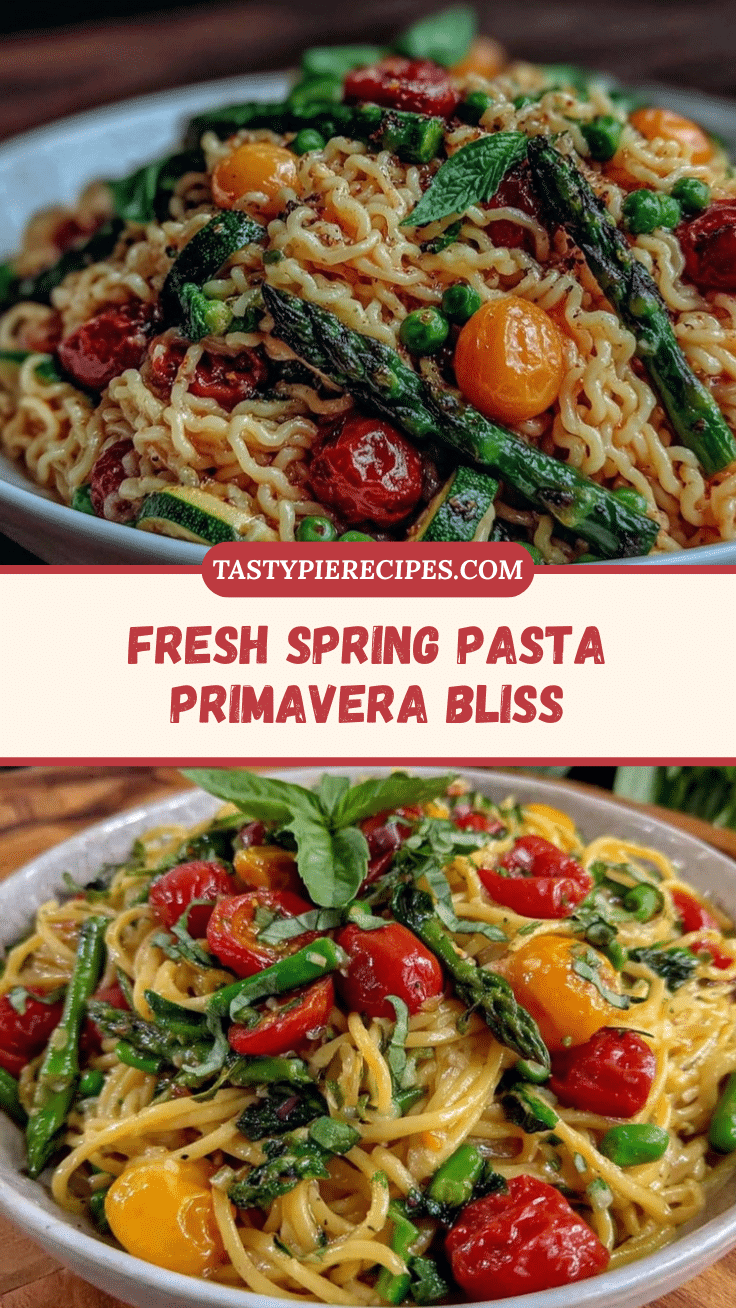
Fresh Spring Pasta Primavera with Basil

A light, wholesome pasta dish featuring fresh basil and crisp spring vegetables, perfect for quick and flavorful meals.
- Prep Time: 10 minutes
- Cook Time: 15 minutes
- Total Time: 25 minutes
- Yield: 4 servings 1x
- Category: Main Course
- Cuisine: Italian
Ingredients
- 12 oz (340 g) pasta (penne or farfalle preferred)
- 3 tablespoons extra virgin olive oil
- 3 cloves garlic, minced
- 1 bunch asparagus, trimmed and cut into 2-inch pieces
- 1 cup fresh or frozen peas
- 1 cup cherry tomatoes, halved
- 1 medium zucchini, sliced into half-moons
- 1 cup fresh basil, loosely packed and roughly chopped
- ½ cup grated Parmesan cheese (optional)
- Zest from one lemon
- Salt and pepper to taste
Instructions
- Bring a large pot of salted water to a boil. Add pasta and cook according to package instructions until al dente, about 9-11 minutes. Reserve ½ cup (120 ml) pasta water before draining.
- While pasta cooks, prepare vegetables: trim asparagus, halve cherry tomatoes, slice zucchini, mince garlic, and roughly chop basil.
- Heat olive oil in a large sauté pan over medium heat. Add garlic and sauté for about 30 seconds until fragrant but not browned.
- Add asparagus and zucchini to the pan. Cook for 4-5 minutes, stirring occasionally, until just tender but still crisp.
- Add peas and cherry tomatoes. Cook for another 2 minutes until tomatoes soften slightly and peas are bright green and tender.
- Add drained pasta to the skillet. Pour in reserved pasta water gradually to create a light sauce and stir gently.
- Remove pan from heat. Stir in lemon zest, chopped basil, and half of the grated Parmesan. Season with salt and pepper to taste.
- Plate the pasta immediately. Sprinkle remaining Parmesan on top and drizzle with olive oil if desired.
Notes
Do not overcook vegetables to keep them crisp. Use reserved pasta water to create a silky sauce. Add basil off the heat to preserve its fresh flavor. Season gradually and taste often. For vegan option, omit Parmesan and use nutritional yeast or vegan cheese. Gluten-free pasta can be used as a substitute.
Nutrition
- Serving Size: About 1.5 cups per s
- Calories: 375
- Sugar: 6
- Sodium: 250
- Fat: 11
- Saturated Fat: 2
- Carbohydrates: 53
- Fiber: 6
- Protein: 14
Keywords: pasta primavera, spring pasta, basil pasta, light pasta recipe, vegetarian pasta, easy pasta dish, healthy pasta