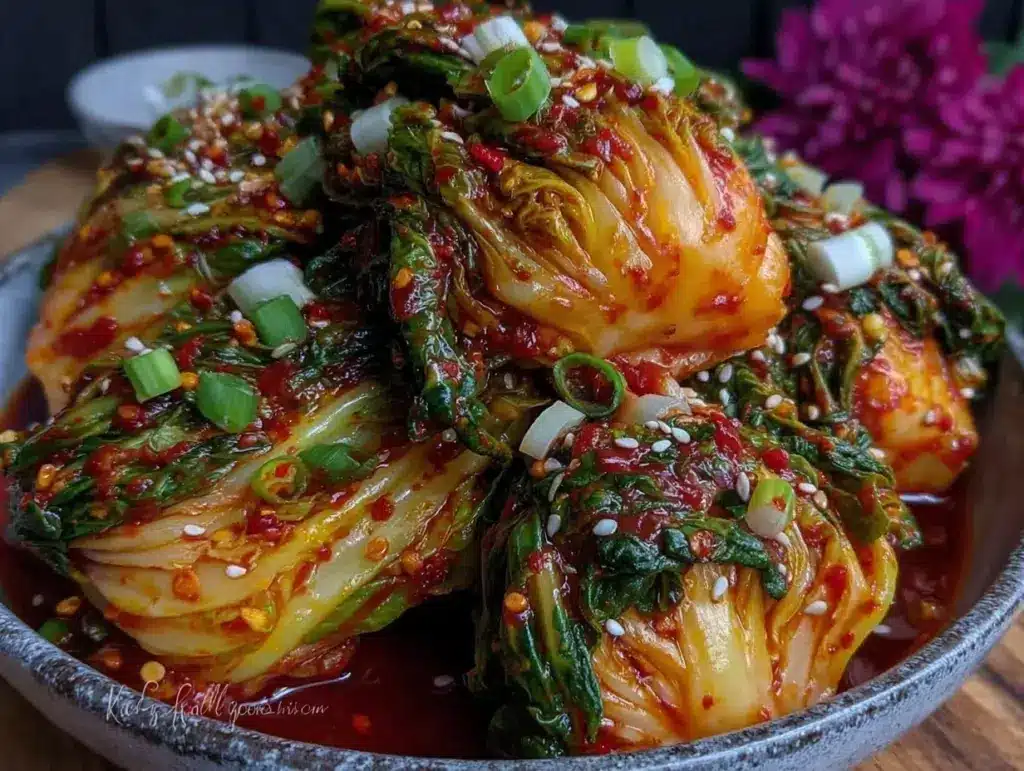
“You’re seriously making kimchi in 30 minutes?” my friend asked with a raised eyebrow as I chopped napa cabbage on a random Tuesday night. Honestly, I hadn’t planned on making kimchi that evening — it just sort of happened. I was rummaging through the fridge, trying to think of something fresh and tangy to brighten up a simple dinner. The usual store-bought jars looked fine, but I craved that homemade punch, the kind that wakes up your taste buds without hours of waiting. I remembered a quick kimchi recipe I’d stumbled across and thought, why not give it a shot?
The kitchen was quiet except for the rhythmic chopping and the faint sound of the rice cooker ticking away in the background. The smell of garlic mingled with spicy red pepper flakes, and I felt oddly calm, like all the day’s clutter was melting away with each stir of the kimchi paste. I wasn’t sure if it would turn out well — I mean, kimchi usually needs days, right? But this felt different. Fast, no-nonsense, and surprisingly fresh.
Half an hour later, I was tasting this vibrant, crunchy kimchi with a little smile. It was tangy, just the right amount of spicy, and oddly satisfying. That night, I tossed it onto a bowl of warm rice and some grilled chicken Greek salad I’d made earlier, and it felt like a whole new meal. The quick kimchi wasn’t just a side dish; it became the star of the show, a fresh twist that didn’t demand hours or special ingredients.
That’s how this easy quick kimchi recipe found a permanent spot in my kitchen routine. It’s perfect when you want that punch of fermented goodness without the wait, or when an unexpected craving hits late at night. If you’ve ever hesitated to make kimchi because it seemed too complicated or time-consuming, this recipe will change your mind. It’s straightforward, fast, and honestly, once you try it, you’ll wonder why you didn’t start sooner.
Why You’ll Love This Recipe
After making this easy quick kimchi from scratch multiple times (sometimes twice a week!), it’s clear why it’s become such a favorite. Here’s what makes this recipe stand out and why it’s worth keeping in your culinary arsenal:
- Quick & Easy: Ready in just 30 minutes — no days of fermenting required, making it perfect for hectic weeknights or last-minute zesty additions.
- Simple Ingredients: Uses common pantry and fridge staples like napa cabbage, gochugaru (Korean red pepper flakes), garlic, and ginger — no obscure or expensive items needed.
- Perfect for Any Occasion: Whether you’re throwing together a casual dinner or sprucing up a meal like grilled picanha steak with garlic herb butter, this kimchi adds a bright, punchy flavor that complements everything.
- Crowd-Pleaser: My family and friends have been surprised by how accessible and delicious this version is, even folks who usually shy away from fermented foods.
- Unbelievably Delicious: The balance of spicy, tangy, and umami flavors comes together with a satisfying crunch — like traditional kimchi but faster and fresher.
This isn’t just a quick fix. The magic comes from blending the kimchi paste ingredients just right (I swear the ginger and fish sauce combo is a game-changer) and letting the flavors meld even in that short time. It’s a fresh take that doesn’t sacrifice depth, and honestly, it’s my go-to when I want homemade kimchi without the usual wait. Plus, it’s a fun way to experiment with bold flavors in your everyday cooking.
What Ingredients You Will Need
This easy quick kimchi recipe uses straightforward, wholesome ingredients that combine to deliver bold flavor and satisfying texture without fuss. Most of these are pantry staples or fresh produce you can find year-round, and substitutions are pretty flexible if you need them.
- Napa cabbage (1 medium head, about 2 pounds / 900g) – The base of the kimchi; crunchy yet tender
- Salt (2 tablespoons / 30g) – For salting the cabbage and drawing out moisture
- Gochugaru (Korean red pepper flakes) (3 tablespoons / 24g) – Adds that signature spicy kick; I like the Mother-in-Law’s brand for consistent heat
- Garlic cloves (4 large, minced) – Provides pungent depth
- Fresh ginger (1 tablespoon, grated) – Adds warmth and a little zing
- Fish sauce (2 tablespoons) – For umami richness; use vegan alternative if preferred
- Green onions (4, sliced diagonally) – Fresh crunch and mild onion flavor
- Carrot (1 medium, julienned) – Adds sweetness and color
- Water (1/4 cup / 60ml) – To help bring the paste together
- Optional: sugar (1 teaspoon) – Balances the spice if you like a touch of sweetness
Don’t stress about perfection here — I’ve swapped in regular red pepper flakes when out of gochugaru, and used tamari as a fish sauce substitute with good results. The key is balancing spice, salt, and umami so your kimchi feels vibrant and fresh, not overwhelming. For the freshest texture, look for firm napa cabbage with crisp leaves. If you want a probiotic boost, you can ferment this for a few days, but it’s perfectly tasty right away.
Equipment Needed
- Large mixing bowl: For salting and soaking the cabbage. A non-reactive bowl like glass or stainless steel works best.
- Colander or strainer: To rinse and drain the cabbage after salting.
- Sharp knife: Essential for chopping the cabbage and julienning the carrot cleanly.
- Cutting board: A sturdy surface helps speed up prep and keeps you safe.
- Measuring spoons and cups: For accuracy in seasoning and spice.
- Gloves (optional): I recommend disposable gloves when mixing the spicy kimchi paste to avoid burning your skin, but you can skip if careful.
- Spoon or spatula: For mixing the paste and tossing everything together evenly.
- Storage container: An airtight glass jar or container for storing your finished kimchi.
If you don’t have a large bowl, a clean sink works for salting the cabbage too (just be sure it’s thoroughly clean). For smaller kitchens, a good sharp knife really makes the difference in prepping the veggies quickly and safely. I’ve tried mixing by hand and with a spoon—hands give better control, but gloves are a must unless you want red, spicy fingers for hours.
Preparation Method
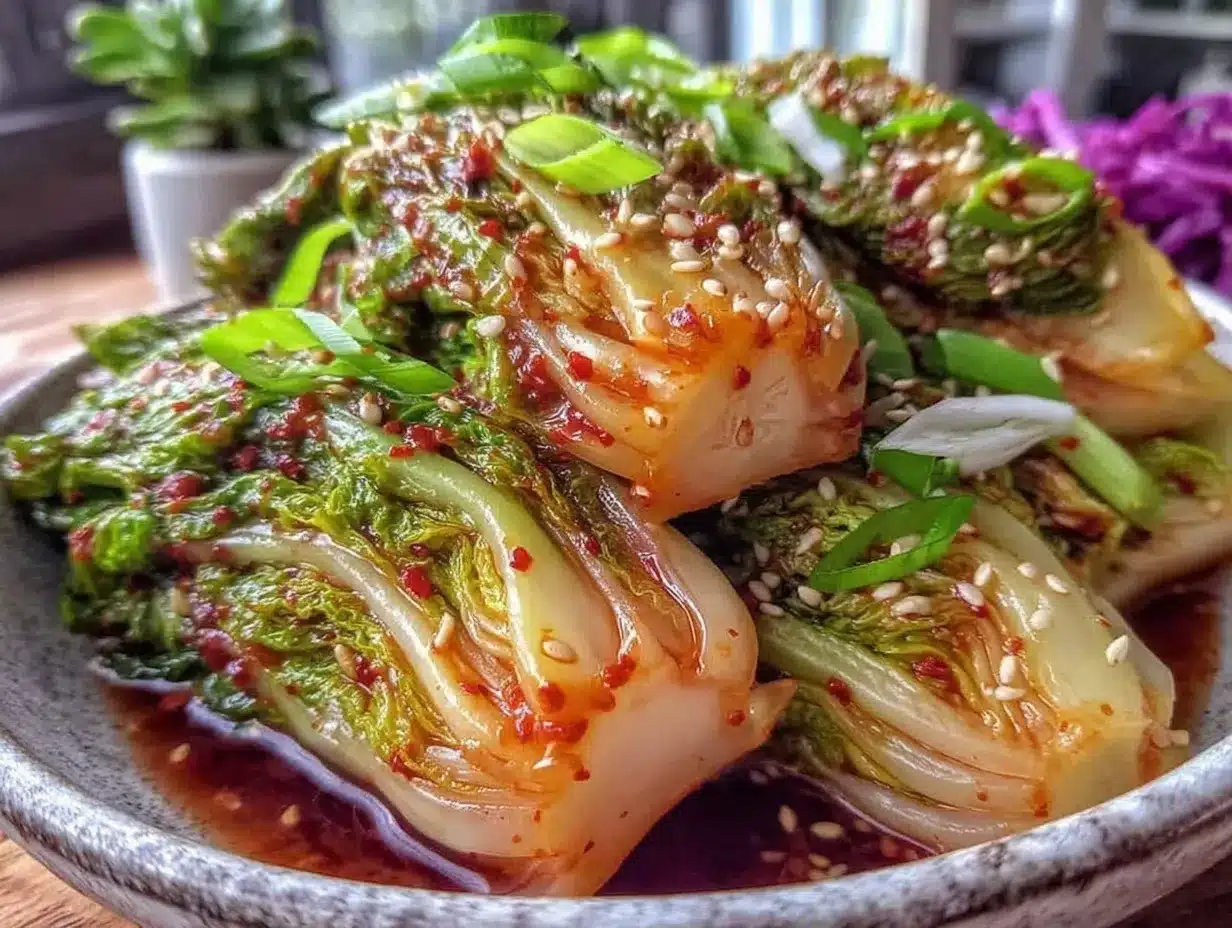
- Chop and salt the cabbage: Cut the napa cabbage lengthwise into quarters and then chop into bite-sized pieces (about 2-inch pieces). Transfer to a large bowl and sprinkle 2 tablespoons (30g) of salt evenly over the cabbage. Toss thoroughly to coat all the pieces.
Let it sit for 20 minutes, tossing every 5 minutes. This helps draw out excess water and softens the cabbage for better texture. - Rinse and drain the cabbage: After 20 minutes, rinse the salted cabbage under cold running water 2-3 times to remove excess salt. Gently squeeze handfuls to drain as much water as possible.
Set aside in the colander to drain further while you prepare the kimchi paste. - Make the kimchi paste: In a small bowl, combine 3 tablespoons (24g) gochugaru, 4 minced garlic cloves, 1 tablespoon grated ginger, 2 tablespoons fish sauce, and 1/4 cup (60ml) water. Add 1 teaspoon sugar if you want a hint of sweetness.
Mix until you get a thick, spreadable paste. Adjust water slightly if it feels too dry. - Prep the vegetables: Slice 4 green onions diagonally and julienne 1 medium carrot into thin matchsticks. These add crunch and brightness to your kimchi.
- Combine everything: Transfer the drained cabbage back to the large bowl. Add the kimchi paste, green onions, and carrot.
Wearing gloves or using a spoon, mix thoroughly so every piece of cabbage is coated with the spicy paste. This step is key for flavor distribution. - Store and serve: Pack the kimchi into a clean airtight container or jar, pressing down to remove air pockets. This quick kimchi can be eaten right away or chilled for 30 minutes to marry the flavors.
It keeps well in the fridge for up to 5 days — the flavors develop nicely, but it’s great fresh too.
If you notice the kimchi is too spicy or salty, a quick fix is to add thinly sliced cucumbers or more shredded carrot to mellow it out. Also, don’t skip the rinsing step after salting the cabbage; it prevents the kimchi from becoming overly salty, which happened to me the first few times!
Cooking Tips & Techniques
Making quick kimchi is a balance of timing, seasoning, and texture — here are some tips I learned the hard way:
- Salt well but rinse well: Salting napa cabbage is crucial to soften the leaves and draw out water, but leaving too much salt ruins the flavor. Rinsing thoroughly yet gently squeezing excess water is key.
- Use quality gochugaru: The chili flakes define the flavor and heat level. Korean gochugaru has a smoky, bright red chili taste that’s hard to replace. If you use generic chili powder, the flavor might be dull or bitter.
- Don’t skip fish sauce: It adds depth and that umami punch that makes kimchi addictive. If you’re vegan, try miso paste or soy sauce as a substitute, but the flavor will shift slightly.
- Mix with care: Tossing with gloves keeps your hands safe and allows you to coat every leaf evenly. If you don’t have gloves, use a spoon or spatula and mix gently.
- Adjust spice to taste: If you’re unsure about heat, start with less gochugaru and add more later. Remember, the flavor mellows slightly after chilling.
- Multitasking helps: While the cabbage salts, prep the paste and veggies. It saves time and keeps you moving smoothly through the recipe.
One time, I rushed the salting and ended up with crunchy but bland kimchi. Lesson learned: patience during that 20-minute salting step pays off big time. Also, when I first tried making kimchi, I underestimated the pungency of garlic and ginger — now I measure carefully so the flavors sing but don’t overpower.
Variations & Adaptations
This quick kimchi recipe is a great base to customize for your taste or dietary needs. Here are some ways I’ve tweaked it:
- Vegan Kimchi: Swap fish sauce with soy sauce or tamari, and use mushroom broth for extra umami. It’s a great option if you want to avoid seafood flavors but keep complexity.
- Spice Levels: Adjust gochugaru amounts for milder or hotter kimchi. For subtle heat, cut the flakes by half and add a pinch of smoked paprika for a smoky touch.
- Additional Veggies: Try adding thinly sliced daikon radish, cucumber, or even green apple for crunch and sweetness. In summer, fresh sliced cucumbers make for a refreshing twist.
- Fermented Version: If you have more time, let the kimchi ferment at room temperature for 1-2 days to develop deeper sourness and probiotic benefits.
- Low-Sodium: Reduce salt slightly and increase rinsing time to keep it flavorful but lighter on sodium.
My personal favorite variation is adding a bit of grated pear to the paste for a subtle fruity sweetness that balances the spice beautifully. It’s a little trick I picked up from a Korean cooking class that really wakes up the flavor.
Serving & Storage Suggestions
This quick kimchi is fantastic served chilled or at room temperature. I like it best after chilling for about 30 minutes, which lets the flavors settle and the cabbage stay crisp. Serve it as a tangy side with grilled meats or tossed into bowls for an extra punch.
It pairs beautifully with dishes like steak and potato soup or adds crunch and heat to a simple rice bowl. For a fun fusion, toss it into tacos or use it as a topping for blackened tilapia tacos.
Storage: Keep kimchi in an airtight container in the fridge. It stays fresh for up to 5 days, but flavors will intensify over time — if you like stronger sourness, let it ferment longer in the fridge.
Reheating: Kimchi is typically enjoyed cold or at room temperature, but it can be gently warmed in soups or stews. I love adding quick kimchi to hot pots or stir-fries toward the end of cooking for extra zest.
Nutritional Information & Benefits
A typical serving (about 1/4 cup or 60g) of this quick kimchi contains roughly:
| Calories | 20-30 |
|---|---|
| Carbohydrates | 4g |
| Fiber | 1g |
| Protein | 1g |
| Fat | 0g |
| Sodium | 400-600mg (varies with salt) |
Kimchi is rich in vitamins A, B, and C, and the cabbage provides dietary fiber that supports digestion. Although this quick version skips long fermentation, it still offers antioxidants from garlic and ginger and can be lower in sodium when rinsed well. The inclusion of fresh vegetables like carrots and green onions boosts nutritional value and adds crunch without extra calories.
For those mindful of allergens, this recipe contains fish sauce, so substitute if needed. It’s naturally gluten-free and low-carb, making it easy to fit into various diets. I personally find this quick kimchi a great way to add flavor and a vegetable boost to meals without extra prep stress.
Conclusion
This easy quick kimchi from scratch has become a staple in my kitchen for good reason. It’s fast, flavorful, and fresh — perfect for adding a bright, spicy kick to everything from weeknight dinners to casual get-togethers. The best part? It doesn’t demand days of fermenting or hard-to-find ingredients, so you can have homemade kimchi whenever the craving strikes.
Feel free to play around with spice levels or add your favorite veggies to make it your own. I love how this recipe brings a little Korean flair to my meals without fuss, and it’s always a hit when I serve it alongside richer dishes like vegan loaded sweet potato bowls or hearty grilled meats.
Give this quick kimchi a try and see how it brightens your table — I’d love to hear your twists and how you’re serving it!
Frequently Asked Questions About Easy Quick Kimchi
How spicy is this quick kimchi recipe?
The heat level depends mostly on the amount of gochugaru you use. This recipe has a moderate spice that you can adjust up or down to suit your taste.
Can I ferment this kimchi for longer?
Yes! While it’s designed to be eaten fresh, you can let it ferment at room temperature for 1-2 days and then refrigerate to develop deeper sourness and probiotics.
What can I substitute for fish sauce?
For a vegan or vegetarian version, use soy sauce, tamari, or miso paste to keep the umami flavor without seafood.
Is napa cabbage necessary, or can I use other vegetables?
Napa cabbage is traditional and gives the best texture, but you can experiment with green cabbage or even bok choy in a pinch.
How should I store leftover kimchi?
Keep it in an airtight container in the fridge. It will last about 5 days and the flavors will intensify over time.
Pin This Recipe!
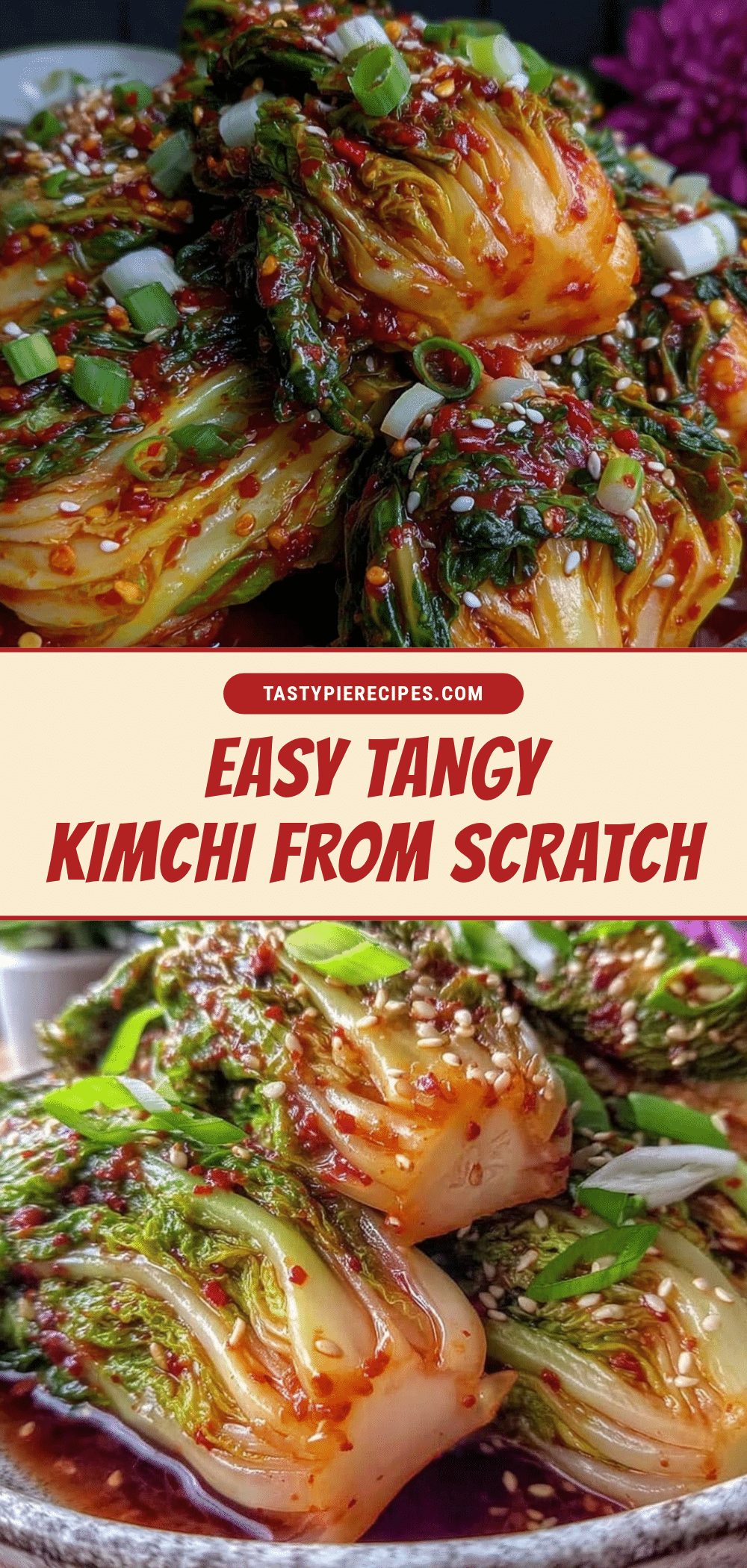
Easy Quick Kimchi From Scratch in 30 Minutes
A fast and flavorful homemade kimchi recipe that delivers the tangy, spicy punch of traditional kimchi without the long fermentation time. Perfect for quick meals and fresh flavor.
- Prep Time: 10 minutes
- Cook Time: 20 minutes
- Total Time: 30 minutes
- Yield: 6 servings 1x
- Category: Side Dish
- Cuisine: Korean
Ingredients
- 1 medium head napa cabbage (about 2 pounds / 900g)
- 2 tablespoons salt (30g)
- 3 tablespoons gochugaru (Korean red pepper flakes) (24g)
- 4 large garlic cloves, minced
- 1 tablespoon fresh ginger, grated
- 2 tablespoons fish sauce (or vegan alternative like soy sauce or tamari)
- 4 green onions, sliced diagonally
- 1 medium carrot, julienned
- 1/4 cup water (60ml)
- Optional: 1 teaspoon sugar
Instructions
- Chop the napa cabbage lengthwise into quarters, then chop into bite-sized pieces (about 2-inch pieces). Transfer to a large bowl and sprinkle 2 tablespoons (30g) of salt evenly over the cabbage. Toss thoroughly to coat all pieces. Let sit for 20 minutes, tossing every 5 minutes to draw out moisture and soften the cabbage.
- Rinse the salted cabbage under cold running water 2-3 times to remove excess salt. Gently squeeze handfuls to drain as much water as possible. Set aside in a colander to drain further while preparing the kimchi paste.
- In a small bowl, combine 3 tablespoons (24g) gochugaru, 4 minced garlic cloves, 1 tablespoon grated ginger, 2 tablespoons fish sauce, and 1/4 cup (60ml) water. Add 1 teaspoon sugar if desired. Mix until a thick, spreadable paste forms. Adjust water if too dry.
- Slice 4 green onions diagonally and julienne 1 medium carrot into thin matchsticks.
- Transfer the drained cabbage back to the large bowl. Add the kimchi paste, green onions, and carrot. Wearing gloves or using a spoon, mix thoroughly so every piece of cabbage is coated evenly with the spicy paste.
- Pack the kimchi into a clean airtight container or jar, pressing down to remove air pockets. Eat immediately or chill for 30 minutes to let flavors marry. Store in the fridge for up to 5 days.
Notes
Rinse the salted cabbage well to avoid overly salty kimchi. Use quality Korean gochugaru for authentic flavor. Fish sauce adds umami but can be substituted with soy sauce or tamari for vegan versions. Gloves are recommended when mixing the spicy paste to protect skin. Adjust spice level by varying gochugaru amount. Kimchi can be eaten fresh or fermented for 1-2 days for deeper flavor.
Nutrition
- Serving Size: 1/4 cup (60g)
- Calories: 25
- Sugar: 1
- Sodium: 500
- Carbohydrates: 4
- Fiber: 1
- Protein: 1
Keywords: kimchi, quick kimchi, easy kimchi recipe, homemade kimchi, Korean side dish, fermented vegetables, spicy kimchi, no ferment kimchi