Introduction
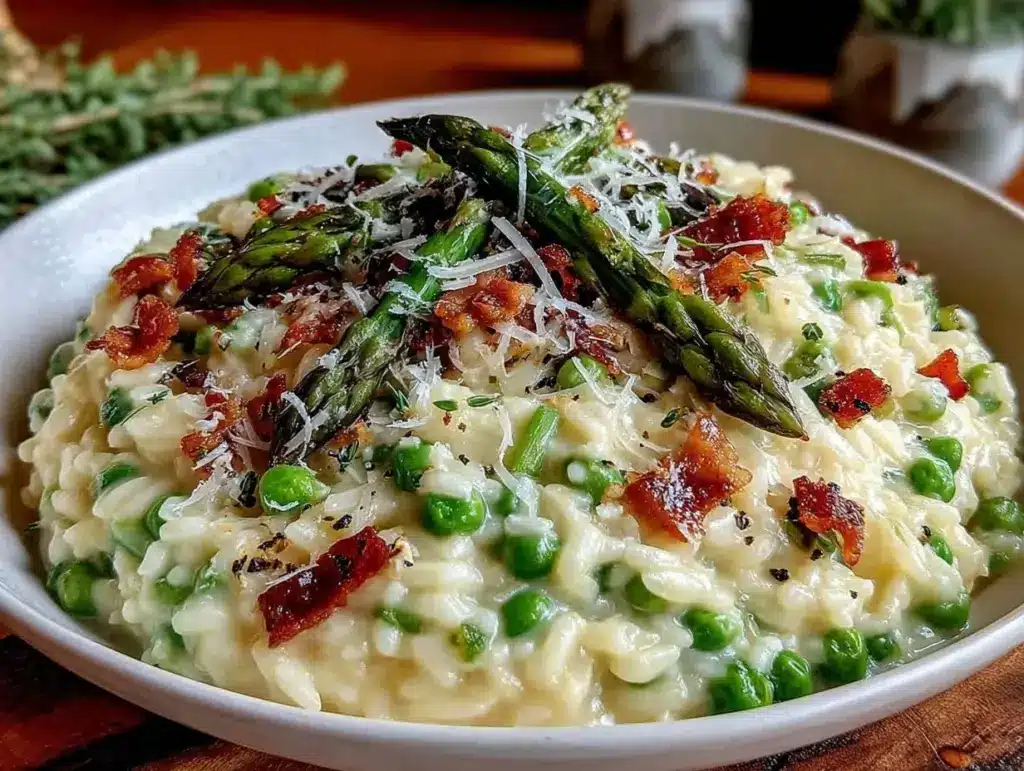
Let me tell you, the moment the aroma of sautéed asparagus, sweet peas, and melting Parmesan cheese fills your kitchen, you know you’re in for a treat. The first time I made this creamy asparagus and pea Parmesan risotto, it was on a bright spring afternoon, with sunlight streaming through the window and my kids playing in the backyard. I was instantly hooked—the kind of moment where you pause, take a deep breath, and just smile because you know you’re onto something truly special. You know what? This dish brings back memories from when I was knee-high to a grasshopper, watching my grandma lovingly stir her risotto pot, coaxing it into creamy perfection.
Years ago, I stumbled on this recipe while trying to recreate a restaurant favorite during a rainy weekend. Honestly, it’s dangerously easy and offers pure, nostalgic comfort, with fresh vegetables that feel like a warm hug on a plate. My family couldn’t stop sneaking spoonfuls off the stove (and I can’t really blame them). Whether you’re looking to brighten up your Pinterest cookie board with a savory twist or want a sweet treat for your kids, this risotto fits the bill perfectly. Tested multiple times in the name of research, of course, it’s now a staple for family gatherings, quick weeknight dinners, and gifting homemade comfort. You’re going to want to bookmark this one.
Why You’ll Love This Recipe
This creamy asparagus and pea Parmesan risotto isn’t just any risotto—it’s the kind that makes you close your eyes after the first bite. Here’s why:
- Quick & Easy: Comes together in under 45 minutes, perfect for busy spring evenings or spontaneous dinner plans.
- Simple Ingredients: No fancy grocery trips needed; you likely already have everything in your kitchen or local market.
- Perfect for Spring: Highlights the bright, fresh flavors of asparagus and peas—ideal for celebrating seasonal produce.
- Crowd-Pleaser: Always gets rave reviews from kids and adults alike, with its creamy texture and fresh taste.
- Unbelievably Delicious: The Parmesan adds a salty richness that perfectly balances the sweetness of the peas and earthiness of asparagus.
What makes this recipe stand out is the gentle stirring technique that coaxed out the starch for that signature creamy risotto texture, paired with the fresh bursts of spring veggies. Plus, blending a little Parmesan into the risotto base before finishing adds a silky smoothness that feels like comfort food reimagined. It’s healthier, faster, but with the same soul-soothing satisfaction you crave. Whether you’re impressing guests without stress or turning a simple meal into something memorable, this recipe fits right in your kitchen repertoire.
What Ingredients You Will Need
This recipe uses simple, wholesome ingredients to deliver bold flavor and satisfying texture without the fuss. Most of these are pantry staples or easy to find fresh items during springtime.
- Arborio Rice – 1 ½ cups (300g) (I recommend Carnaroli or Arborio rice for best creaminess)
- Fresh Asparagus – 1 bunch (about 1 lb/450g), trimmed and cut into 1-inch pieces (use tender stalks for best texture)
- Fresh or Frozen Peas – 1 cup (150g) (fresh peas if in season, frozen work well too)
- Vegetable Broth – 5 cups (1.2 liters), kept warm (homemade or low-sodium store-bought)
- Parmesan Cheese – 1 cup (90g), freshly grated (look for Parmigiano-Reggiano for authentic flavor)
- White Onion – 1 small, finely chopped (adds subtle sweetness)
- Garlic Cloves – 2, minced
- Dry White Wine – ½ cup (120ml) (optional, but adds depth)
- Unsalted Butter – 3 tablespoons (45g), divided (use high-quality butter for richness)
- Extra Virgin Olive Oil – 2 tablespoons (for sautéing)
- Salt & Pepper – to taste
- Fresh Lemon Juice – 1 tablespoon (adds brightness)
- Fresh Basil or Parsley – a handful, chopped (for garnish, optional)
If you want a dairy-free version, swap Parmesan with a nutritional yeast blend and use vegan butter or olive oil. For gluten-free, double-check your broth ingredients, though risotto rice is naturally gluten-free.
Equipment Needed
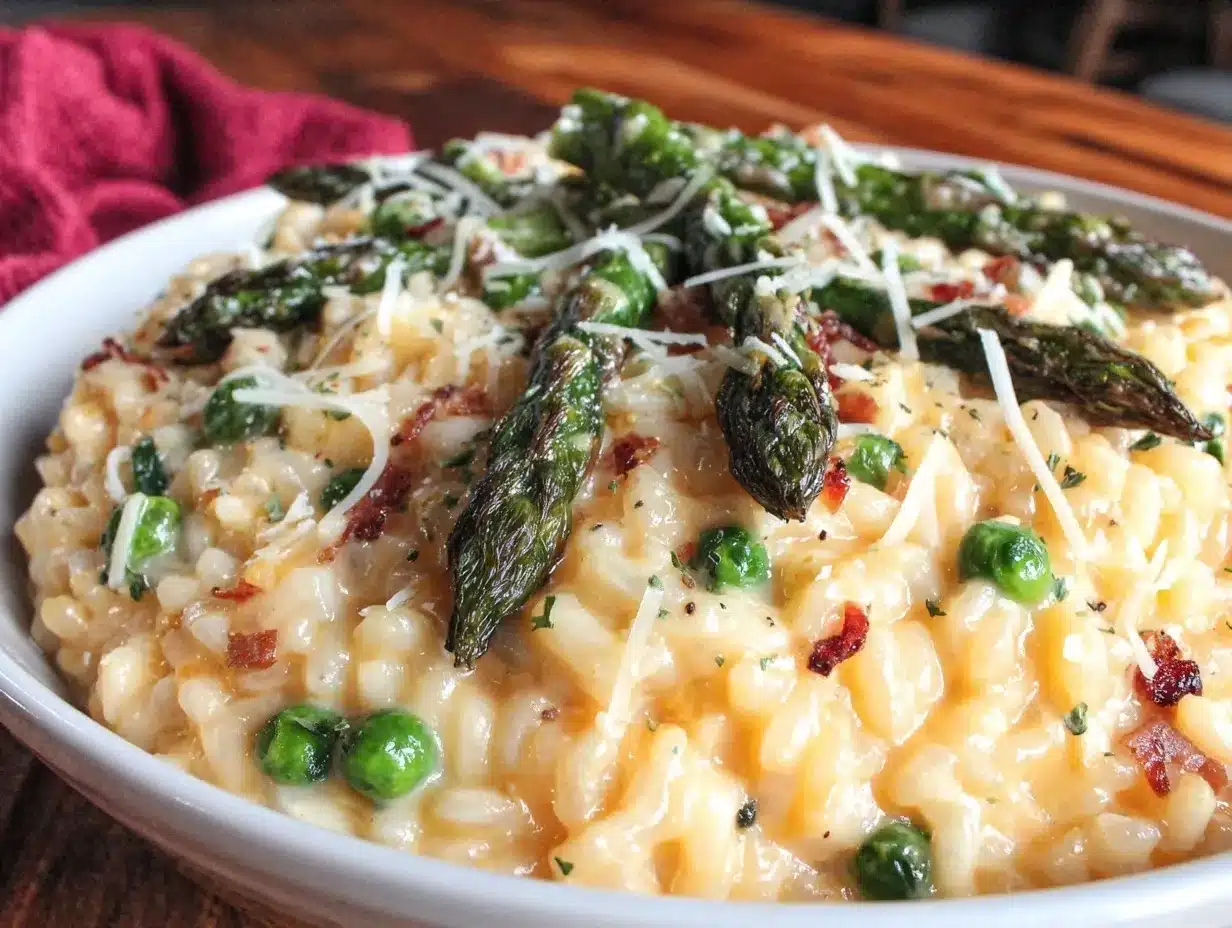
- Heavy-Bottomed Skillet or Wide Sauté Pan: A good-quality pan helps distribute heat evenly and prevents burning. I like using my 12-inch stainless steel skillet.
- Wooden Spoon or Silicone Spatula: Essential for stirring the risotto gently without scratching your pan.
- Measuring Cups and Spoons: Precision is key to risotto’s creamy texture, so having good measuring tools helps.
- Grater: For fresh Parmesan, a microplane grater works best.
- Pot for Heating Broth: Keep your vegetable broth warm on a separate burner while cooking.
If you don’t have a heavy-bottomed pan, a thick non-stick skillet will work, but be mindful to stir often. For budget-friendly options, a sturdy cast iron pan can double for many recipes, including this risotto.
Preparation Method
- Prepare the Broth and Vegetables (5-7 minutes): Heat the vegetable broth in a pot and keep it simmering gently. While that’s heating, trim the asparagus and cut into 1-inch pieces. If using fresh peas, shell them; if frozen, have them ready. Finely chop the onion and mince the garlic.
- Sauté Onion and Garlic (3-4 minutes): In your skillet, heat 1 tablespoon olive oil and 1 tablespoon butter over medium heat. Add the chopped onion and cook until translucent, about 3 minutes. Stir in the garlic and cook for another minute until fragrant, but not browned.
- Toast the Rice (2-3 minutes): Add Arborio rice to the pan and stir to coat it in the butter and oil. Toast the rice gently until the edges look translucent but the center is still opaque. This usually takes about 2-3 minutes and helps build the risotto’s creamy texture.
- Deglaze with Wine (Optional) (2 minutes): Pour in the white wine and stir until it’s mostly absorbed. This adds a subtle depth but can be skipped if you prefer a non-alcoholic version.
- Add Broth Gradually (20-25 minutes): Begin adding warm vegetable broth, one ladle (about ½ cup or 120ml) at a time. Stir frequently, allowing the rice to absorb the liquid before adding the next ladle. This slow process releases the rice’s starch, creating that signature creamy risotto texture. Keep the heat medium-low to avoid boiling.
- Add Asparagus and Peas (Last 5-7 Minutes): When the rice is just about tender but still has a slight bite (about 18 minutes in), stir in the asparagus and peas. Continue adding broth and stirring until the vegetables are tender and the rice is cooked through.
- Finish with Cheese and Butter (2-3 minutes): Remove the pan from heat. Stir in the remaining 2 tablespoons butter, grated Parmesan, and fresh lemon juice. Season to taste with salt and pepper. The risotto should be creamy and silky, not dry or runny.
- Rest and Serve: Let the risotto sit covered for a minute or two to meld the flavors. Garnish with fresh herbs like basil or parsley if you like, and serve immediately for the best texture.
Pro tip: If your risotto feels too thick, add a splash more warm broth or even a little water to loosen it. If it’s too runny, cook a minute longer uncovered. Stirring is key—don’t be afraid to give it your full attention.
Cooking Tips & Techniques
Risotto’s magic lies in the stirring and timing. Honestly, it’s not hard, but it demands a bit of patience and love. Here’s what I’ve learned over the years:
- Use Warm Broth: Adding cold broth slows down cooking and makes the texture uneven. Keep it warm on a separate burner for smooth absorption.
- Don’t Rush the Stirring: Frequent stirring helps release the rice starch, creating creaminess. You don’t need to stir constantly, but don’t leave it unattended either.
- Choose the Right Rice: Arborio or Carnaroli are best for risotto because of their high starch content. Using regular long-grain rice will give you a very different texture.
- Watch the Heat: Too high, and the liquid evaporates too fast, leaving you with undercooked rice. Medium to medium-low heat keeps everything happy.
- Don’t Overcook the Veggies: Add asparagus and peas late in the process so they stay tender-crisp and vibrant.
- Fresh Parmesan Makes a Difference: Grate your cheese fresh rather than using pre-grated for that rich, melty finish.
I’ve had my fair share of risotto disasters—like ending up with mushy rice or a gluey mess. The secret? Patience, and not skimping on quality ingredients. Also, multitasking helps: prep your veggies while broth heats, so you’re ready to go once the rice hits the pan.
Variations & Adaptations
One of the joys of risotto is how easy it is to make it your own. Here are some ways I’ve adapted this creamy asparagus and pea Parmesan risotto:
- Vegan Version: Swap butter for olive oil and Parmesan for nutritional yeast or vegan Parmesan alternatives. Use vegetable broth as usual.
- Seasonal Swaps: In summer, try swapping peas for fresh corn kernels and asparagus for zucchini ribbons for a colorful twist.
- Protein Boost: Stir in cooked shrimp, grilled chicken, or crispy pancetta for a heartier meal.
- Low-Carb: Use cauliflower rice and reduce cooking liquid accordingly, then finish with Parmesan and veggies for a lighter option.
- Herb Variations: Try adding tarragon or chives instead of basil for a different flavor profile.
Personally, I once added a touch of lemon zest to the risotto just before serving, which brightened the dish beautifully without overpowering it. Feel free to experiment—you might find your new favorite combo!
Serving & Storage Suggestions
This creamy asparagus and pea Parmesan risotto is best served hot, right off the stove, with a garnish of fresh herbs and maybe a little extra grated Parmesan. It pairs wonderfully with a crisp white wine like Sauvignon Blanc or a light Pinot Grigio. For a full meal, consider serving alongside a simple green salad or roasted chicken.
If you have leftovers, let the risotto cool to room temperature, then store in an airtight container in the fridge for up to 3 days. Risotto does thicken when chilled; to reheat, add a splash of broth or water and gently warm it on the stovetop while stirring to bring back that creamy texture.
Flavors tend to deepen after resting overnight, so sometimes I find the day-old risotto even better. Just don’t wait too long to enjoy—it’s best fresh!
Nutritional Information & Benefits
This risotto is a balanced dish with complex carbs from Arborio rice, fiber, and vitamins from fresh asparagus and peas, and protein and calcium from Parmesan cheese. A typical serving contains approximately 350-400 calories, with moderate fat and protein content.
Asparagus is a great source of folate and antioxidants, while peas add plant-based protein and fiber, aiding digestion and satiety. Using vegetable broth keeps this recipe vegetarian and lighter than cream-based risottos.
For those watching carbs, portion control or substituting cauliflower rice can help reduce intake without sacrificing flavor. Just be mindful of the dairy if lactose intolerance is a concern; vegan substitutes work well here.
Conclusion
This creamy asparagus and pea Parmesan risotto is a springtime classic you’re going to want to come back to again and again. It’s easy enough for weeknight dinners, yet elegant enough to serve guests without breaking a sweat. The fresh veggies, rich Parmesan, and silky texture make it a comforting dish that feels like a warm hug on a plate.
Feel free to make it your own by tweaking the veggies or adding your favorite proteins. Honestly, once you master this recipe, it opens the door to endless risotto variations. I love it because it brings my family together and always gets “oohs” and “ahhs” at the table.
Give it a try, and don’t forget to share your thoughts or any creative twists you come up with—I’m all ears! Happy cooking!
FAQs About Creamy Asparagus and Pea Parmesan Risotto
Can I make this risotto without wine?
Absolutely! The wine adds subtle depth, but you can skip it and just use extra broth. The risotto will still be delicious and creamy.
How do I know when the risotto is done?
The rice should be tender but still have a slight bite (al dente). It should also be creamy and not dry or soupy. Taste a grain to check texture.
Can I prepare risotto ahead of time?
Risotto is best fresh, but you can prepare it and refrigerate leftovers for up to 3 days. Reheat gently with a bit of broth to restore creaminess.
What’s the best way to store leftover risotto?
Store in an airtight container in the fridge. To reheat, warm on the stovetop with a splash of broth, stirring frequently.
Can I use frozen asparagus and peas?
Yes, frozen veggies work well. Just add them slightly earlier in the cooking process so they have time to thaw and cook through.
Pin This Recipe!
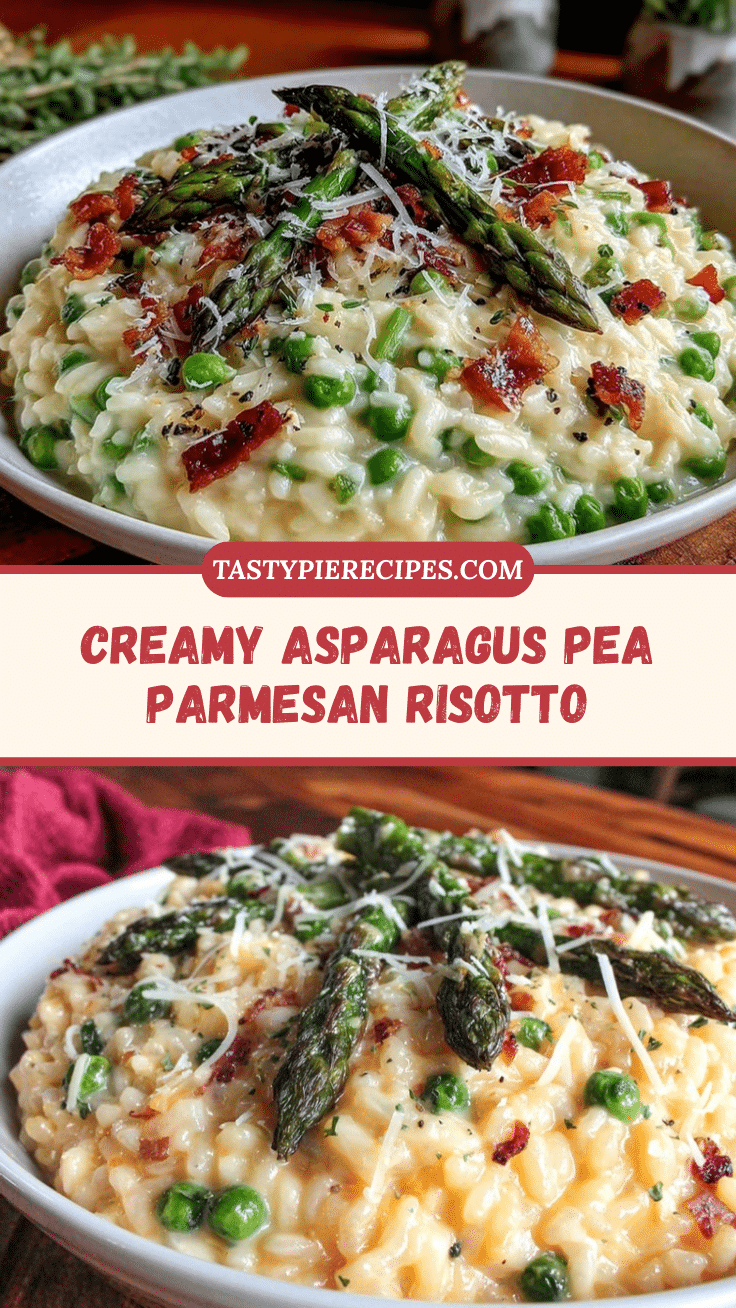
Creamy Asparagus and Pea Parmesan Risotto

A creamy, comforting risotto featuring fresh asparagus, sweet peas, and melting Parmesan cheese, perfect for springtime meals.
- Prep Time: 10 minutes
- Cook Time: 35 minutes
- Total Time: 45 minutes
- Yield: 4 servings 1x
- Category: Main Course
- Cuisine: Italian
Ingredients
- 1 ½ cups Arborio rice (300g)
- 1 bunch fresh asparagus (about 1 lb/450g), trimmed and cut into 1-inch pieces
- 1 cup fresh or frozen peas (150g)
- 5 cups vegetable broth (1.2 liters), kept warm
- 1 cup freshly grated Parmesan cheese (90g)
- 1 small white onion, finely chopped
- 2 garlic cloves, minced
- ½ cup dry white wine (120ml) (optional)
- 3 tablespoons unsalted butter (45g), divided
- 2 tablespoons extra virgin olive oil
- Salt and pepper to taste
- 1 tablespoon fresh lemon juice
- A handful fresh basil or parsley, chopped (optional)
Instructions
- Prepare the broth and vegetables: Heat the vegetable broth in a pot and keep it simmering gently. Trim the asparagus and cut into 1-inch pieces. Shell fresh peas if using, or have frozen peas ready. Finely chop the onion and mince the garlic.
- Sauté onion and garlic: In a skillet, heat 1 tablespoon olive oil and 1 tablespoon butter over medium heat. Add chopped onion and cook until translucent, about 3 minutes. Stir in garlic and cook for another minute until fragrant, but not browned.
- Toast the rice: Add Arborio rice to the pan and stir to coat it in the butter and oil. Toast gently until edges look translucent but center is still opaque, about 2-3 minutes.
- Deglaze with wine (optional): Pour in white wine and stir until mostly absorbed, about 2 minutes.
- Add broth gradually: Begin adding warm vegetable broth one ladle (about ½ cup or 120ml) at a time. Stir frequently, allowing rice to absorb liquid before adding next ladle. Keep heat medium-low and continue for 20-25 minutes.
- Add asparagus and peas: When rice is just about tender but still slightly firm (about 18 minutes in), stir in asparagus and peas. Continue adding broth and stirring until vegetables are tender and rice is cooked through.
- Finish with cheese and butter: Remove pan from heat. Stir in remaining 2 tablespoons butter, grated Parmesan, and fresh lemon juice. Season with salt and pepper to taste. Risotto should be creamy and silky.
- Rest and serve: Let risotto sit covered for 1-2 minutes to meld flavors. Garnish with fresh herbs if desired and serve immediately.
Notes
Use warm broth to ensure even cooking and creamy texture. Stir frequently but not constantly. Add asparagus and peas late to keep them tender-crisp. Freshly grate Parmesan for best flavor. If risotto is too thick, add a splash of warm broth or water; if too runny, cook a bit longer uncovered.
Nutrition
- Serving Size: 1 cup risotto per se
- Calories: 375
- Sugar: 5
- Sodium: 600
- Fat: 14
- Saturated Fat: 8
- Carbohydrates: 48
- Fiber: 4
- Protein: 12
Keywords: risotto, asparagus, peas, Parmesan, spring recipe, creamy risotto, vegetarian, easy dinner