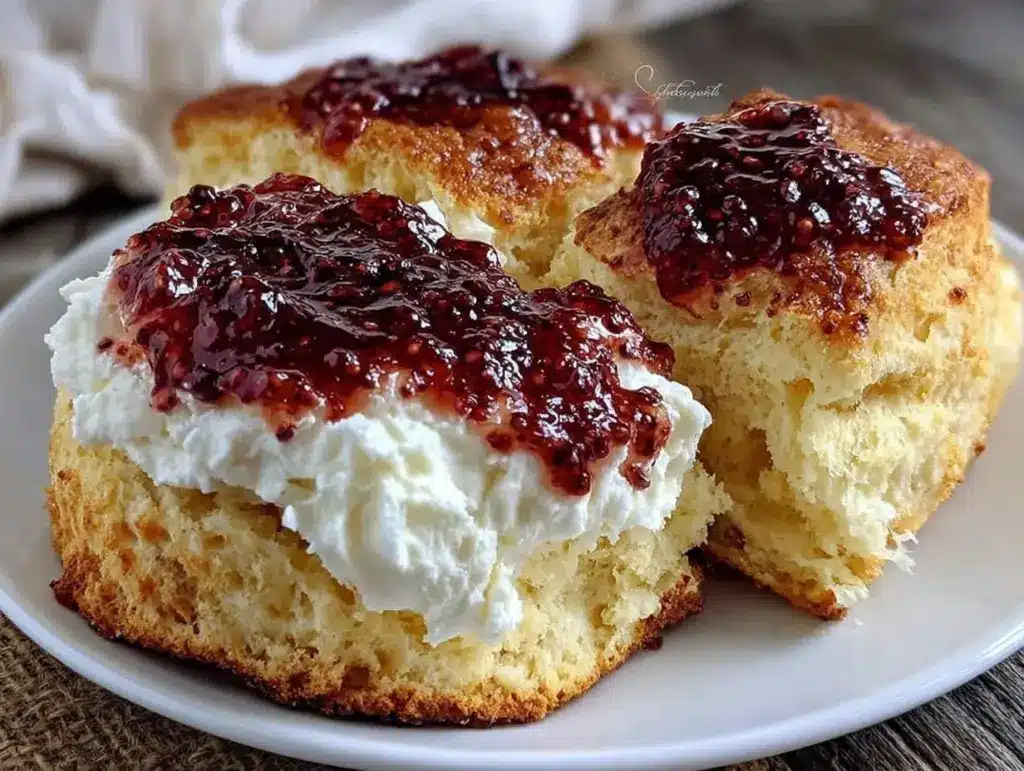
“You’re telling me these scones are ready already?” my sister blurted out from the kitchen doorway, eyeing the golden rounds cooling on the rack. I had just pulled my batch of classic cozy English scones from the oven, their buttery aroma filling the room like a warm blanket. Honestly, I didn’t expect them to turn out so well the first time I tried this recipe—there was a bit of a scramble in the kitchen that afternoon. The clock was ticking, and I was low on time, so I resorted to skipping a few usual steps (don’t tell anyone). To my surprise, the scones rose beautifully, crumbly and tender, just perfect for slathering with a generous dollop of clotted cream and a spoonful of jam.
That day, the scones became a quiet comfort, a small victory after a hectic morning of juggling emails, errands, and a very opinionated cat. It’s funny how a simple recipe can turn a frazzled moment into something cozy and grounding. Over time, I found myself baking these scones more often—whether for a weekend treat or a casual tea with friends. They’ve become my go-to when I want something that feels like a hug in food form, without too much fuss.
There’s something about the texture: crisp on the outside, yet soft and tender inside. And pairing them with clotted cream and jam? That’s the kind of indulgence that never gets old. I’ve tried other versions here and there, but this classic recipe, with its straightforward ingredients and easy method, always wins me over. It’s a little reminder that sometimes, the simplest things bring the most joy—especially when shared around the table with people you care about.
So, if you’re looking for a recipe that’s cozy, comforting, and reliably delicious, these English scones with clotted cream and jam might just become your new favorite. No fancy techniques, just good, honest baking that feels like home.
Why You’ll Love This Recipe
Making classic cozy English scones with clotted cream and jam is a bit like hitting the sweet spot between simplicity and indulgence. I’ve tested this recipe multiple times—sometimes tweaking the flour blend, other times experimenting with baking times—and it always turns out a winner. Here’s why I think you’ll love it as much as I do:
- Quick & Easy: Ready in under 30 minutes, perfect for those spontaneous teatime cravings or when you want a cozy weekend breakfast without much hassle.
- Simple Ingredients: No need for a special trip to the store. Most of these ingredients are pantry staples, making it easy to whip up a batch anytime.
- Perfect for Any Occasion: Whether it’s a quiet afternoon alone, a casual brunch, or a small gathering, these scones fit right in.
- Crowd-Pleaser: Friends and family always ask for seconds—kids especially love them with a smear of strawberry jam.
- Unbelievably Delicious: The balance of buttery richness with the light crumb texture and the classic combo of clotted cream and jam is utterly satisfying.
What sets this recipe apart? Well, it’s the little details—like using cold butter cut into the flour just right to create that flaky, tender crumb, and a touch of cream in the dough for richness without heaviness. Plus, the scones aren’t too sweet, which lets the clotted cream and jam shine. Honestly, it’s the kind of treat that makes you close your eyes after the first bite and just savor the moment.
It’s comfort food that’s both familiar and special—ideal for impressing guests without feeling overwhelmed, or for turning an ordinary day into something a bit more memorable. And if you ever want to pair it with a savory dish, these scones complement a light salad or a hearty soup beautifully—like the cozy crockpot loaded steak and potato soup recipe I often make when the weather turns chilly.
What Ingredients You Will Need
This recipe uses simple, wholesome ingredients to deliver bold flavor and a satisfying texture without any fuss. Most are pantry staples, and the few specialty items like clotted cream and good-quality jam are worth the little splurge for that authentic finish.
- All-Purpose Flour: 2 cups (250 g) – the base for tender, flaky scones. You can swap half with self-rising flour if you want a lighter rise.
- Baking Powder: 1 tablespoon – helps the scones rise and get that lovely fluffy texture.
- Sugar: 2 tablespoons – just enough to add a hint of sweetness without overpowering.
- Salt: ½ teaspoon – balances the flavors perfectly.
- Unsalted Butter: 6 tablespoons (85 g), cold and diced – cold butter is key for flaky layers; I prefer using Kerrygold for its rich flavor.
- Heavy Cream: ¾ cup (180 ml) – adds moisture and richness to the dough.
- Egg: 1 large, lightly beaten – for binding and brushing the tops so they brown beautifully.
- Clotted Cream: For serving – if you can’t find it locally, thick whipped cream is a decent substitute, but the clotted cream’s unique texture is worth hunting down.
- Jam: Your choice – strawberry or raspberry jam are classic favorites, but feel free to try apricot or blackberry.
For those looking to tweak, you can use gluten-free flour blends, but keep in mind the texture will change a bit. For a dairy-free version, swap butter and cream with plant-based alternatives, though the final flavor leans more rustic. Seasonal variations are easy too—try adding a handful of currants or lemon zest to brighten things up.
Equipment Needed
- Mixing Bowls: A large bowl for combining dry ingredients and a smaller one for wet ingredients.
- Pastry Cutter or Fork: For cutting cold butter into the flour. If you don’t have one, two butter knives work fine.
- Baking Sheet: A rimmed baking tray lined with parchment paper or a silicone mat.
- Rolling Pin: Optional but helpful to roll out the dough evenly. You can also pat the dough by hand if you prefer.
- Round Biscuit Cutter: About 2 to 3 inches (5 to 7 cm) in diameter. A glass rim can work in a pinch.
- Cooling Rack: To let the scones rest after baking, which helps keep the bottoms from getting soggy.
If you’re on a budget or short on tools, you can skip the rolling pin and cutter—just shape the dough into rough rounds and slice into wedges. I’ve done it both ways, and while the cutter gives a cleaner look, the wedges taste just as good. Keeping your butter chilled before mixing is crucial, so if you have a kitchen scale and a small freezer-safe bowl, they’ll be handy for prepping ingredients quickly.
Preparation Method

- Preheat your oven to 425°F (220°C) and line a baking sheet with parchment paper. This high heat is what helps the scones puff up and get that nice golden crust.
- Mix the dry ingredients: In a large bowl, whisk together 2 cups (250 g) all-purpose flour, 1 tablespoon baking powder, 2 tablespoons sugar, and ½ teaspoon salt. Whisking incorporates air and helps even rising.
- Cut in the cold butter: Add 6 tablespoons (85 g) of cold, diced unsalted butter to the flour mixture. Use a pastry cutter or two knives to work the butter in until the mixture resembles coarse crumbs with some pea-sized bits of butter. These little pockets will melt in the oven, creating flaky layers.
- Add the wet ingredients: Pour in ¾ cup (180 ml) heavy cream and 1 lightly beaten large egg. Stir gently with a wooden spoon or spatula until just combined. The dough should be soft but not sticky. If it feels too dry, splash in a bit more cream, a teaspoon at a time.
- Turn out the dough: Lightly flour a surface and gently knead the dough 3 to 4 times—overworking will toughen the scones. Pat or roll the dough into a ¾-inch (2 cm) thick circle.
- Cut the scones: Using a 2 to 3-inch (5 to 7 cm) round cutter, press straight down without twisting (twisting seals the edges and prevents rising). Place the rounds on the prepared baking sheet, about 1 inch (2.5 cm) apart.
- Brush the tops: Lightly brush the scones with a bit of the leftover beaten egg or cream. This step gives them that beautiful golden shine.
- Bake: Place the tray in the oven and bake for 12-15 minutes until the scones have risen and turned a deep golden color. You’ll know they’re done when they sound hollow if tapped on the bottom.
- Cool: Transfer the scones to a wire rack to cool for at least 10 minutes before serving. This keeps the bottoms from becoming soggy and helps the crumb set properly.
If you notice your scones spreading too much or not rising enough, check your baking powder’s freshness – it’s a common culprit. Also, keep your butter cold right up to mixing and avoid over-kneading to maintain that tender crumb. If you want a little extra charm, sprinkle a pinch of raw sugar on top before baking for a subtle crunch.
Cooking Tips & Techniques
Working with scones is as much about feel as it is about measurements. Here are some tips I picked up after a few less-than-perfect batches:
- Keep Butter Cold: This is non-negotiable. Warm butter blends too much and ruins that flaky texture. Chill your butter right up until you cut it in.
- Don’t Overwork the Dough: It’s tempting to knead longer to bring it together, but that can make scones tough. A few gentle turns are all you need.
- Cut Straight Down: Twisting your cutter seals the edges and restricts rise. Press straight down and lift straight up.
- High Heat Is Key: The oven should be hot—425°F (220°C) or higher—to create steam that puffs the scones up quickly.
- Use Fresh Baking Powder: Old baking powder loses its oomph. Test it by adding a bit to warm water; it should bubble vigorously if fresh.
- Brush with Egg Wash: It gives the scones an irresistible golden top and a slight sheen. If you prefer, cream will work too.
- Multitasking: While the scones bake, you can prepare your clotted cream and jam setup (or check on your slow cooker stew if you’re making a full cozy meal like the crockpot chicken tikka masala recipe).
One time, I left the dough sitting too long before baking, and the scones spread flat. Lesson learned: bake as soon as you shape them for the best rise. Also, if you want a richer scone, try swapping half the heavy cream for buttermilk for a subtle tang that balances the butteriness.
Variations & Adaptations
While this classic recipe is a winner on its own, I’ve enjoyed experimenting with a few variations that bring a fresh twist or cater to different needs:
- Cheese Scones: Add ½ cup (50 g) of grated sharp cheddar and a pinch of black pepper to the dough. Skip the clotted cream and jam, and enjoy them warm with a pat of butter.
- Fruit-Studded: Toss in ½ cup (75 g) of dried currants or fresh blueberries to the dry ingredients for a burst of fruity sweetness.
- Gluten-Free: Swap the flour for a 1:1 gluten-free baking blend. The texture will be slightly different but still satisfying, especially with plenty of clotted cream.
- Vegan Version: Use coconut cream or cashew cream instead of heavy cream, vegan butter, and a flax egg in place of the chicken egg. The results are a bit denser but still delicious.
One favorite variation I tried recently was adding a teaspoon of lemon zest and a splash of vanilla extract to brighten the flavor—perfect for a spring brunch. If you want to try a different baking method, you can bake scones in a cast-iron skillet for a rustic look and crisp edges.
Serving & Storage Suggestions
Serve your classic cozy English scones warm or at room temperature. Split them gently in half and pile on clotted cream and your favorite jam. The contrast between the crumbly scone, rich cream, and sweet jam is what makes this treat irresistible.
They pair beautifully with a pot of strong black tea or a light floral Earl Grey. For a fuller meal, these scones go well alongside a fresh salad or a comforting soup like the cozy crockpot loaded steak and potato soup, creating a balanced and satisfying meal.
To store, keep scones in an airtight container at room temperature for up to two days. For longer storage, freeze them wrapped tightly in plastic wrap and foil for up to 3 months. Reheat gently in a warm oven (about 300°F/150°C for 10 minutes) or toast lightly to refresh their crumb and crisp up the outside.
Flavors mellow and meld over time, so if you have leftovers, the scones taste delightful the next day, especially with a fresh spread of jam or a new dollop of cream.
Nutritional Information & Benefits
Each classic English scone, depending on size, contains approximately 250-300 calories, with about 12 grams of fat and 30 grams of carbohydrates. The butter and cream contribute healthy fats, while the flour provides energy-sustaining carbs.
Clotted cream, while indulgent, is a good source of fat-soluble vitamins like A and D. Choosing high-quality unsalted butter and fresh ingredients makes this treat feel wholesome. For those watching gluten intake, you can adapt this recipe with gluten-free flour blends.
In my experience, these scones fit well into a balanced diet when enjoyed occasionally with mindful portions. They’re a comforting way to enjoy a classic treat without feeling overindulgent, especially when paired with fresh fruit or a light salad.
Conclusion
Classic cozy English scones with clotted cream and jam are one of those recipes that quietly become a staple in your kitchen. They’re simple enough to make any day special and comforting enough to brighten a chaotic afternoon. I love how this recipe strikes a perfect balance between ease and indulgence—no complicated steps, just honest ingredients coming together to create something that feels like a small celebration.
Feel free to customize the scones with your favorite jams, add-ins, or even a savory twist. Baking these scones has become one of my favorite ways to slow down and savor a moment, whether alone or with friends. I’d love to hear how you make them your own—drop a comment below to share your tweaks or stories!
Here’s to cozy kitchens and good company around the table.
Frequently Asked Questions
Can I make these scones ahead of time?
Yes! You can prepare the dough up to the cutting stage, wrap it tightly, and refrigerate overnight. Bake fresh the next day for best results.
What’s the difference between clotted cream and whipped cream?
Clotted cream is thicker, richer, and has a slightly nutty flavor, made by gently heating full-fat cream. Whipped cream is lighter and airy, so while whipped cream works in a pinch, clotted cream offers a more authentic experience.
Can I freeze baked scones?
Absolutely! Wrap cooled scones tightly and freeze for up to 3 months. Reheat in the oven or toaster for best texture.
My scones turned out dense and heavy. What went wrong?
This often happens if the dough is overworked or the baking powder is old. Handle the dough gently and ensure your leavening is fresh for light, fluffy scones.
Are there any good savory scone options?
Yes! Try adding cheese, herbs, or bacon bits to the dough. These make great accompaniments to soups and salads, similar to the creamy vegan loaded sweet potato bowls if you’re exploring savory comfort meals.
Pin This Recipe!
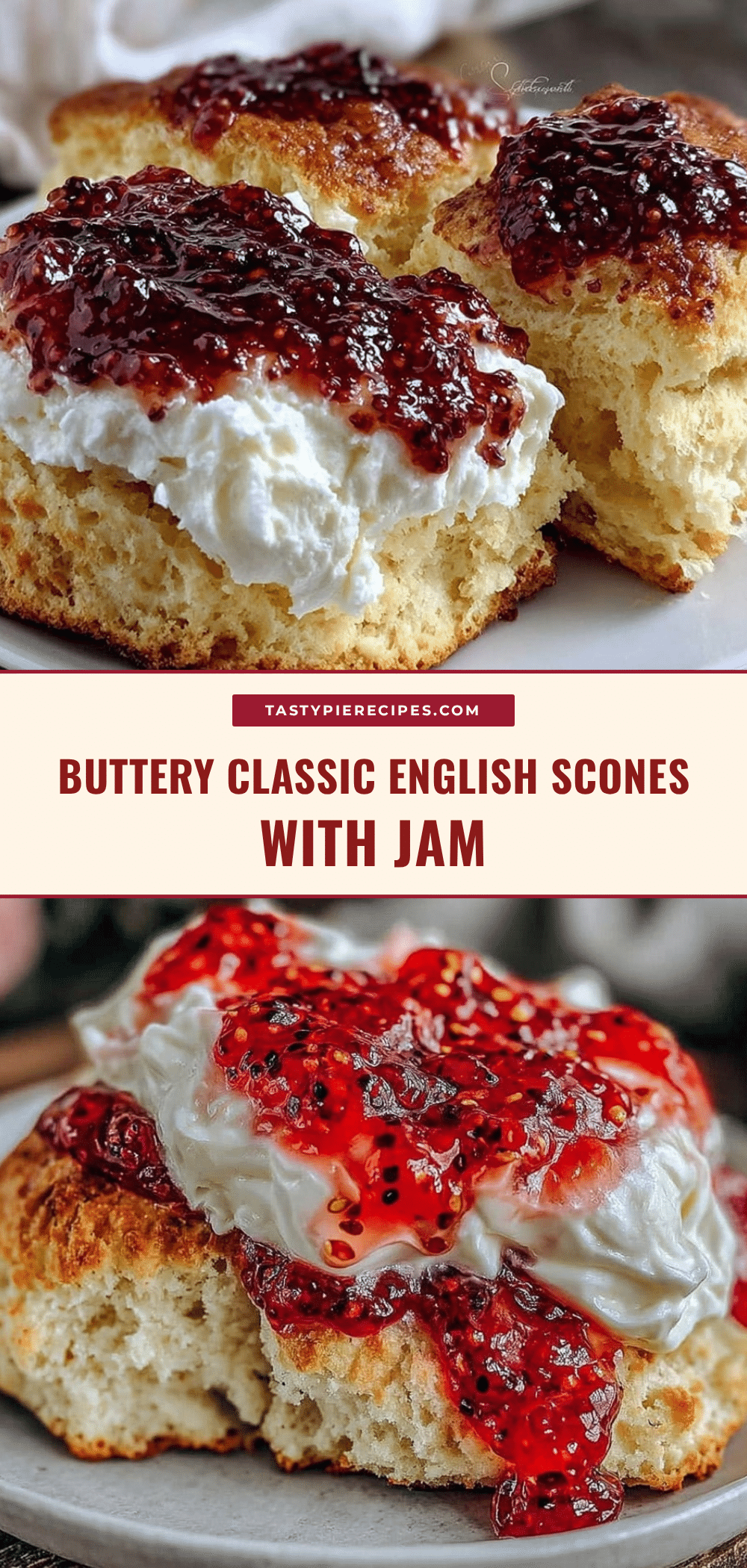
Classic English Scones Recipe Easy Homemade Cozy Scones with Clotted Cream and Jam

A simple and cozy recipe for classic English scones that are crisp on the outside and tender inside, perfect for serving with clotted cream and jam. Quick and easy to make, these scones are ideal for teatime or a comforting breakfast.
- Prep Time: 10 minutes
- Cook Time: 15 minutes
- Total Time: 25 minutes
- Yield: 8 servings 1x
- Category: Breakfast, Snack, Tea Time
- Cuisine: English
Ingredients
- 2 cups (250 g) all-purpose flour
- 1 tablespoon baking powder
- 2 tablespoons sugar
- ½ teaspoon salt
- 6 tablespoons (85 g) unsalted butter, cold and diced
- ¾ cup (180 ml) heavy cream
- 1 large egg, lightly beaten
- Clotted cream, for serving
- Jam of your choice (strawberry, raspberry, apricot, or blackberry)
Instructions
- Preheat your oven to 425°F (220°C) and line a baking sheet with parchment paper.
- In a large bowl, whisk together the flour, baking powder, sugar, and salt.
- Add the cold, diced butter to the flour mixture. Use a pastry cutter or two knives to work the butter in until the mixture resembles coarse crumbs with some pea-sized bits of butter.
- Pour in the heavy cream and the lightly beaten egg. Stir gently until just combined. The dough should be soft but not sticky. If too dry, add a teaspoon of cream at a time.
- Lightly flour a surface and gently knead the dough 3 to 4 times. Pat or roll the dough into a ¾-inch (2 cm) thick circle.
- Using a 2 to 3-inch (5 to 7 cm) round cutter, press straight down without twisting. Place the rounds on the prepared baking sheet about 1 inch (2.5 cm) apart.
- Lightly brush the tops with leftover beaten egg or cream for a golden shine.
- Bake for 12-15 minutes until risen and deep golden. They should sound hollow when tapped on the bottom.
- Transfer to a wire rack to cool for at least 10 minutes before serving.
Notes
Keep butter cold until mixing to ensure flaky layers. Do not overwork the dough to avoid tough scones. Press cutter straight down without twisting to allow proper rise. Use fresh baking powder for best results. Brush tops with egg wash or cream for a golden finish. Scones can be stored in an airtight container for 2 days or frozen for up to 3 months.
Nutrition
- Serving Size: 1 scone
- Calories: 275
- Sugar: 5
- Sodium: 250
- Fat: 12
- Saturated Fat: 7
- Carbohydrates: 30
- Fiber: 1
- Protein: 5
Keywords: English scones, classic scones, homemade scones, clotted cream, jam, teatime recipe, easy scones, cozy baking