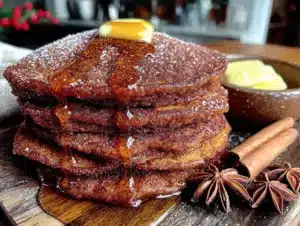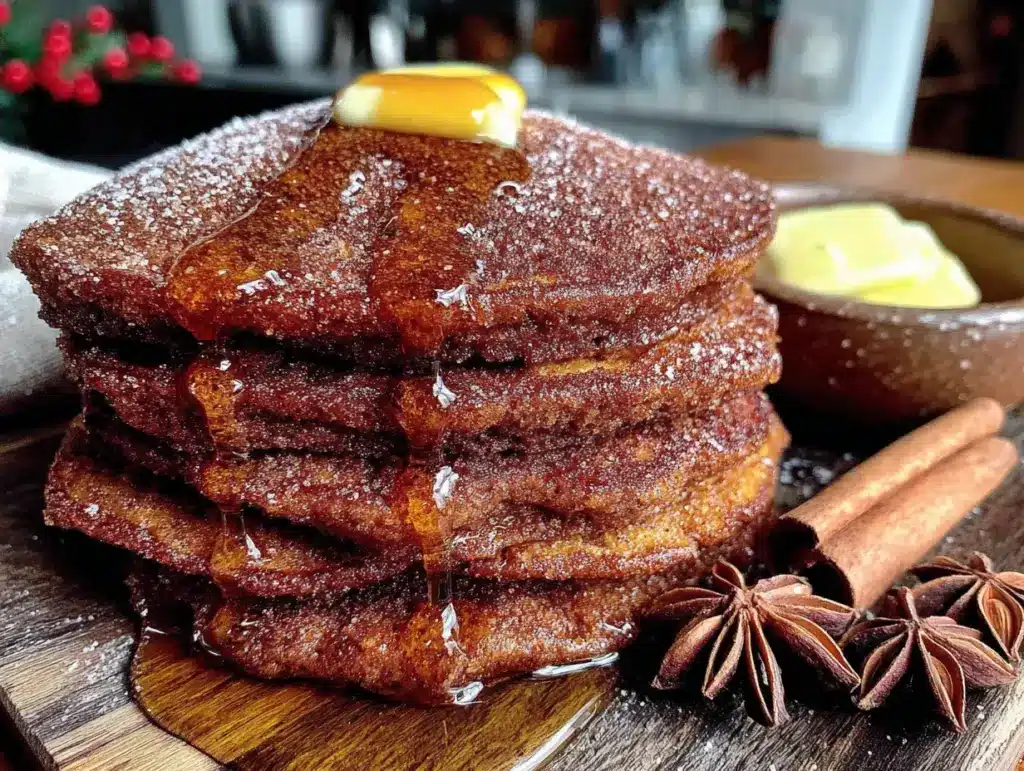
I figured sourdough discard was destined for a brick-like loaf of bread or a sad, dense cracker. It took about one Saturday morning for that assumption to fall apart completely. I was staring at a jar of bubbly, tangy discard in my fridge—the stuff you feel guilty about throwing away but can never seem to use up in time—and I thought, pancakes. Honestly, it felt like a cheat code. I whisked it into a batter with some cinnamon, fried it in butter, and watched it puff up into something I wasn’t expecting. It was tender. It had a little tang. It tasted like a lazy weekend should.
That first bite was the quiet kind of good. Not the kind that makes you shout, but the kind that makes you close your eyes for a second and think, oh, that’s it. The cinnamon sugar crust got all crackly on the outside while the inside stayed pillowy soft. And the best part? I didn’t have to plan ahead. No overnight proofing, no complicated starter schedule. Just me, a hungry kitchen, and a jar of discard that finally found its purpose. These fluffy cinnamon sugar sourdough discard pancakes are the reason I keep my starter alive on busy weeks. They are forgiving, fast, and they make you look like you actually have your life together.
Why You’ll Love This Recipe
Let me tell you why these pancakes are different. I have tested this batter about seven times. I have made it with too much discard (flat), too little (dry), and with cinnamon that got lost in the tang. This version? It is the Goldilocks zone. You get the unmistakable sourdough flavor without it overpowering the sweet cinnamon sugar coating, and the texture is ridiculous—light, fluffy, and almost custard-like in the center. Here is what makes it a keeper:
- Uses Up Sourdough Discard — No more guilt over tossing that unfed starter. This is the perfect way to use it straight from the fridge.
- Quick and Easy — From bowl to plate in under 25 minutes. No waiting for the batter to rest or develop flavor. It is ready when you are.
- Simple Pantry Ingredients — You likely have everything already. Flour, sugar, an egg, butter, and your discard. That is it.
- Cinnamon Sugar Crust — Each pancake gets a light coating of cinnamon sugar as it cooks, creating a caramelized, buttery crust that is pure magic.
- Crowd-Pleaser — Kids love the sweet crunch, adults love the subtle tang. I have served these at brunch with friends who had no idea they were eating “fermented” pancakes.
- No Special Equipment — A bowl, a whisk, and a skillet. That is all you need to make this happen on a sleepy morning.
These pancakes aren’t just good. They are the kind that makes you text a friend the recipe before you have even finished eating. They are comfort food that feels slightly elevated—but without any of the stress. Whether you are a seasoned sourdough baker or someone who just inherited a starter from a neighbor, this recipe will make you feel like a breakfast hero.
What Ingredients You Will Need
This recipe uses simple, humble ingredients to create something that feels special. The discard does the heavy lifting for flavor and fluffiness, while the cinnamon sugar adds that nostalgic, diner-style finish. Here is what you will need:
- All-purpose flour — 1 cup (120g). Standard flour works perfectly here. It gives the pancakes structure without making them tough. I have tested this with bread flour too, and it works, but the texture is slightly chewier.
- Sourdough discard — ½ cup (120g), unfed and straight from the fridge. Make sure it is at room temperature for about 10 minutes before mixing so it blends in easier. I use my unfed starter that has been sitting for a few days—it gets nice and tangy.
- Milk — ½ cup (120ml). Whole milk gives the richest texture, but 2% or even oat milk works well. If you use a dairy-free milk, just know the pancakes may be slightly less tender. I personally prefer whole milk here.
- Large egg — 1, at room temperature. This helps bind the batter and adds lift. If your egg is cold, place it in a bowl of warm water for 5 minutes before cracking.
- Unsalted butter — 2 tablespoons (28g), melted and slightly cooled. Plus extra for the skillet. I use salted butter in a pinch and just reduce the added salt slightly.
- Granulated sugar — 2 tablespoons (25g). This goes into the batter for a touch of sweetness. For the cinnamon sugar coating, you will need another ¼ cup (50g) sugar mixed with 1½ teaspoons ground cinnamon.
- Baking powder — 1½ teaspoons. This is the primary leavener. Do not skip it. The discard adds some lift, but the baking powder is what makes these truly fluffy.
- Baking soda — ½ teaspoon. It reacts with the acidity in the sourdough discard to create extra bubbles and tenderness.
- Salt — ¼ teaspoon. Just enough to balance the sweetness.
- Vanilla extract — 1 teaspoon. Optional but highly recommended. It rounds out the tangy flavor beautifully.
Ingredient Tips: For the best texture, use a discard that is not too old. If it has been sitting in the fridge for more than two weeks and smells overly sharp or like nail polish remover, it may be too acidic. I have made that mistake before—the pancakes turned out flat and bitter. Also, if you want a slightly sweeter pancake, add an extra tablespoon of sugar to the batter. But honestly, the cinnamon sugar coating provides plenty of sweetness on its own.
Equipment Needed
You do not need anything fancy for these pancakes. Here is what I use every time:
- Large mixing bowl — For whisking the dry and wet ingredients.
- Whisk — A fork works in a pinch, but a whisk gets the batter smooth without overmixing.
- Non-stick skillet or griddle — I prefer a cast-iron skillet for even heat distribution, but a good non-stick pan works perfectly. I have a 10-inch skillet that fits three pancakes at a time.
- Spatula — A thin, flexible spatula makes flipping these delicate pancakes much easier. I ruined a few early batches with a thick metal spatula that squished them flat.
- Small bowl — For mixing the cinnamon sugar coating.
- Measuring cups and spoons — For accuracy. I cannot stress this enough: pancake batter is forgiving, but precise measurements give consistent results.
- Paper towels — For wiping the skillet between batches. Burnt butter and sugar residue will ruin the next round of pancakes.
If you do not have a non-stick skillet, you can use a well-seasoned cast-iron pan. Just make sure to add enough butter so the pancakes do not stick. I have also used an electric griddle set to 350°F (175°C) with great success—it gives you more surface area for cooking multiple pancakes at once.
Preparation Method
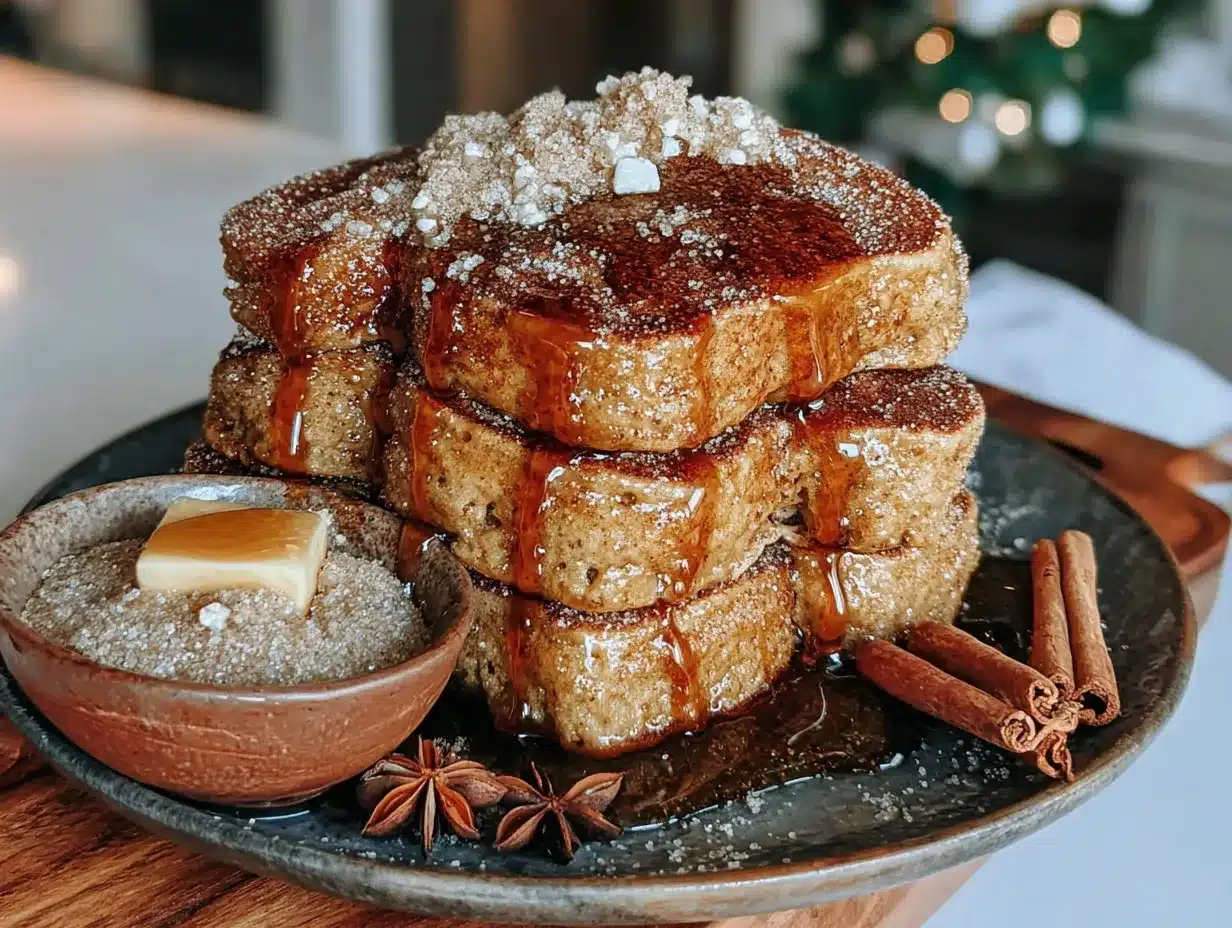
Let us make these pancakes. The process is straightforward, but a few small details make a big difference. I will walk you through each step.
- Mix the cinnamon sugar coating. In a small bowl, combine ¼ cup (50g) granulated sugar with 1½ teaspoons ground cinnamon. Stir well and set aside. This will be used to coat the pancakes after cooking.
- Whisk the dry ingredients. In a large mixing bowl, whisk together 1 cup (120g) all-purpose flour, 1½ teaspoons baking powder, ½ teaspoon baking soda, and ¼ teaspoon salt. Make sure the baking powder and soda are evenly distributed—nobody wants a pocket of bitter baking soda in their pancake.
- Combine the wet ingredients. In a separate medium bowl, whisk together ½ cup (120g) sourdough discard, ½ cup (120ml) milk, 1 large egg, 2 tablespoons (28g) melted butter, 2 tablespoons (25g) granulated sugar, and 1 teaspoon vanilla extract. Whisk until smooth. The mixture should look slightly frothy on top.
- Mix the batter. Pour the wet ingredients into the dry ingredients. Stir gently with a spatula or whisk until just combined. A few lumps are totally fine. Overmixing will develop the gluten and make the pancakes tough. I learned this the hard way when I made a batch that came out like rubber pucks. Stop stirring the moment you no longer see dry flour.
- Let the batter rest (optional but recommended). Let the batter sit for 5 minutes at room temperature. This allows the flour to fully hydrate and the baking powder to start working. You will see tiny bubbles forming on the surface. This step makes the pancakes noticeably fluffier.
- Preheat the skillet. Place your skillet or griddle over medium heat. Add about 1 tablespoon of butter and let it melt, swirling to coat the surface. The butter should sizzle gently when it hits the pan—if it browns immediately, your heat is too high. If it just melts without sizzling, it is too low. Medium heat is the sweet spot.
- Cook the pancakes. Pour about ¼ cup (60ml) of batter onto the hot skillet for each pancake. Leave space between them so they have room to spread. Cook until bubbles form on the surface and the edges look set, about 2 to 3 minutes. The bottom should be golden brown. Flip carefully with a thin spatula and cook for another 1 to 2 minutes on the second side. The pancake should feel springy to the touch when done.
- Coat with cinnamon sugar. As soon as you remove each pancake from the skillet, place it on a plate and immediately sprinkle both sides generously with the cinnamon sugar mixture. The residual heat will melt the sugar slightly, creating that crackly, caramelized crust. I like to press the sugar gently into the surface with my fingers.
- Repeat with remaining batter. Wipe the skillet clean with a paper towel between batches and add fresh butter. Burnt butter bits will stick to the next batch and create dark, bitter spots. Trust me on this one—I skipped this step once and ended up with pancakes that looked like they had freckles.
- Keep warm while cooking. Place the finished pancakes on a baking sheet in a 200°F (95°C) oven to keep them warm while you finish the rest. Do not stack them directly on a plate without separating them with parchment paper, or the cinnamon sugar will make them sticky.
Sensory Cues: When the batter hits the skillet, you should hear a gentle sizzle. The edges of the pancake will start to look matte and dry when it is time to flip. The bottom should be a deep golden brown—not pale, not burnt. When you press the center of a cooked pancake, it should spring back slightly. If it feels dense or heavy, it needs another minute on the heat.
Cooking Tips & Techniques
I have made a lot of pancakes in my life. Some were great. Some were embarrassing. Here is what I have learned so you do not have to repeat my mistakes.
Do not overmix the batter. This is the number one mistake people make. Overmixing develops gluten, which makes pancakes chewy and dense. Stir until the flour disappears, even if there are a few lumps. Those lumps will cook out. I once spent five minutes whisking a batter until it was perfectly smooth, and the pancakes came out like hockey pucks. Never again.
Get the heat right. Medium heat is your friend. If your pancakes are browning too fast on the outside but still raw in the center, your heat is too high. If they are pale and take forever to cook, your heat is too low. I recommend doing a test pancake first—cook one small pancake, check the color and texture, and adjust the heat accordingly. It takes 30 seconds and saves you a ruined batch.
Use a thin spatula for flipping. These pancakes are delicate. A thick spatula will squish them and deflate all that air you worked to create. I use a fish spatula (the slotted one) because it is thin and flexible. If you do not have one, a regular thin metal spatula works fine. Just be gentle.
Coat immediately after cooking. The cinnamon sugar needs heat to stick and create that crust. If you wait even 30 seconds, the sugar will just sit on top instead of melting into the surface. I keep the cinnamon sugar bowl right next to the skillet and coat each pancake the moment it lands on the plate.
Wipe the skillet between batches. This is annoying, I know. But leftover butter and sugar will burn and stick to the next pancakes. A quick wipe with a paper towel and a fresh pat of butter makes a huge difference. I keep a roll of paper towels within arm’s reach just for this.
Let the batter rest. Even 5 minutes makes a difference. The flour absorbs the liquid, the baking powder activates, and the batter thickens slightly. The result is fluffier, more tender pancakes. If you are in a rush, you can skip this step, but do not expect the same level of fluffiness.
Variations & Adaptations
One of the best things about this recipe is how easy it is to tweak. Here are some variations I have tried and loved:
Blueberry Cinnamon Sugar Pancakes: Fold ½ cup (75g) fresh or frozen blueberries into the batter just before cooking. Do not thaw frozen berries first—they will turn the batter purple. I made this mistake once and ended up with grayish pancakes. The berries burst as they cook, creating little pockets of jammy sweetness that pair beautifully with the cinnamon sugar coating.
Whole Wheat Version: Swap half the all-purpose flour for whole wheat flour. The pancakes will be slightly denser and nuttier, but still delicious. Add an extra tablespoon of milk to compensate for the whole wheat’s absorbency. I use white whole wheat flour for a milder flavor.
Vegan Adaptation: Replace the egg with a flax egg (1 tablespoon ground flaxseed mixed with 3 tablespoons water, let sit for 5 minutes). Use melted coconut oil or vegan butter instead of regular butter, and swap the milk for almond or oat milk. The pancakes will be slightly less fluffy, but still tasty. I have tested this version and it works well—just do not expect the same level of rise.
Spiced Variation: Add ¼ teaspoon ground nutmeg, ¼ teaspoon ground ginger, and a pinch of ground cloves to the cinnamon sugar mixture. This creates a chai-spiced version that is perfect for fall mornings. I made these for a Thanksgiving brunch and they disappeared in minutes.
Gluten-Free Option: Use a 1:1 gluten-free flour blend that contains xanthan gum. I have tested this with King Arthur Measure for Measure and it works beautifully. The pancakes are slightly more delicate, so handle them gently when flipping. Add an extra tablespoon of milk if the batter seems too thick.
Chocolate Chip Version: Sprinkle a handful of mini chocolate chips onto each pancake right after pouring the batter onto the skillet. Press them in gently with a spatula. The chocolate melts into the pancake and gets all gooey. I recommend dark chocolate chips to balance the sweetness of the cinnamon sugar.
Serving & Storage Suggestions
These pancakes are best served warm, right off the skillet, with the cinnamon sugar still crackly. Here is how I like to serve them:
Serving Temperature and Presentation: Stack 3 to 4 pancakes on a plate, slightly overlapping. Drizzle with pure maple syrup, a pat of butter, or a dollop of whipped cream. I also love adding a handful of fresh berries on top—raspberries or sliced strawberries work beautifully. The tartness of the fruit cuts through the sweetness of the cinnamon sugar. If you are feeling fancy, dust with a little extra cinnamon sugar just before serving.
Complementary Dishes: These pancakes pair wonderfully with crispy bacon or breakfast sausage. The salty, savory flavors balance the sweet, spiced pancakes. A side of scrambled eggs is also a great choice. For a lighter option, serve with a fresh fruit salad or a simple green smoothie. I also love serving them alongside a cup of strong black coffee or a cold glass of milk.
Storage Instructions: Leftover pancakes can be stored in an airtight container in the refrigerator for up to 3 days. Place a sheet of parchment paper between each pancake to prevent them from sticking together. The cinnamon sugar coating will soften slightly in the fridge, but the flavor remains.
Reheating Methods: The best way to reheat these pancakes is in a toaster or toaster oven. Toast them on a medium setting until they are warm and the edges are slightly crispy again. This takes about 2 to 3 minutes. You can also reheat them in a skillet over medium heat with a little butter for about 1 minute per side. Avoid the microwave—it makes them soggy and rubbery. I have made that mistake and ended up with sad, limp pancakes.
Freezing Instructions: These pancakes freeze beautifully. Place them in a single layer on a baking sheet and freeze for 1 hour, then transfer to a freezer-safe bag or container. They will keep for up to 2 months. To reheat, toast them straight from the freezer—no need to thaw first. Add an extra sprinkle of cinnamon sugar after toasting to refresh the coating.
Flavor Development Over Time: The sourdough flavor actually mellows and becomes more balanced after a day in the fridge. If you have leftovers, do not be surprised if they taste even better the next day. The cinnamon sugar also infuses into the pancakes slightly, creating a more uniform sweetness.
Nutritional Information & Benefits
Here is the estimated nutritional breakdown for one pancake (based on a batch of 8 pancakes):
| Nutrient | Amount per Pancake |
|---|---|
| Calories | 145 kcal |
| Carbohydrates | 22g |
| Protein | 4g |
| Fat | 5g |
| Saturated Fat | 3g |
| Fiber | 1g |
| Sugar | 9g |
| Sodium | 210mg |
Health Benefits: Sourdough discard contains natural fermentation byproducts that may make the pancakes easier to digest than regular pancakes. The fermentation process breaks down some of the phytic acid in the flour, which can improve mineral absorption. Cinnamon is known for its anti-inflammatory properties and may help regulate blood sugar levels. These pancakes are not health food, but they are a more gut-friendly option than standard pancakes.
Dietary Considerations: This recipe is vegetarian. For a dairy-free version, use plant-based milk and butter. For a gluten-free version, use a 1:1 gluten-free flour blend. The pancakes contain wheat and dairy, so they are not suitable for those with celiac disease or lactose intolerance without modifications.
Personal Wellness Perspective: I love that these pancakes use up something that would otherwise go to waste. It feels good to make something delicious and nourishing out of “scraps.” Plus, the portion control is built in—one or two pancakes is usually enough to satisfy a craving without overdoing it.
Conclusion
These fluffy cinnamon sugar sourdough discard pancakes are the kind of recipe that makes you wonder why you ever bought pancake mix. They are tangy, sweet, and impossibly light, with a crackly cinnamon sugar crust that takes them from good to unforgettable. They use ingredients you already have, come together in under 30 minutes, and make your kitchen smell like a cozy diner on a Saturday morning.
What I love most about this recipe is how forgiving it is. You do not need to be a sourdough expert. You do not need to plan ahead. You just need a jar of discard and a hungry appetite. The pancakes will do the rest. I have made them for lazy weekends, rushed weekday mornings, and brunch with friends, and they have never let me down.
I would love to hear how yours turn out. Did you add blueberries? Try the vegan version? Serve them with bacon and a side of eggs? Drop a comment below and let me know. And if you loved this recipe, share it with a friend who has a jar of discard sitting in their fridge right now, wondering what to do with it. Trust me—they will thank you.
Happy flipping!
Frequently Asked Questions
Can I use active sourdough starter instead of discard?
Yes, you can. If you use active, bubbly starter, the pancakes will be slightly less tangy and may rise a bit more. Reduce the baking powder to 1 teaspoon to avoid an overly airy texture. The rest of the recipe stays the same.
Why are my pancakes flat and dense?
This usually happens for one of three reasons: overmixed batter, expired baking powder, or a skillet that is not hot enough. Make sure your baking powder is fresh (test it by dropping a pinch into hot water—it should fizz vigorously). Mix the batter until just combined, and preheat the skillet properly before pouring the batter.
Can I make the batter the night before?
I do not recommend it. The baking powder will lose its potency overnight, and the batter will become thin and flat. If you want to prep ahead, mix the dry ingredients and wet ingredients separately the night before, then combine them in the morning. This saves time without sacrificing texture.
How do I prevent the cinnamon sugar from burning in the skillet?
The cinnamon sugar is added after cooking, not during. Coat the pancakes as soon as they come out of the skillet, while they are still hot. If you add the sugar to the skillet itself, it will burn and create a sticky, bitter mess. I learned this the hard way.
Can I double this recipe?
Absolutely. This recipe doubles perfectly. Just make sure you have a large enough bowl and skillet to handle the extra batter. You may need to cook in more batches, so keep the finished pancakes warm in the oven as described above.
Pin This Recipe!
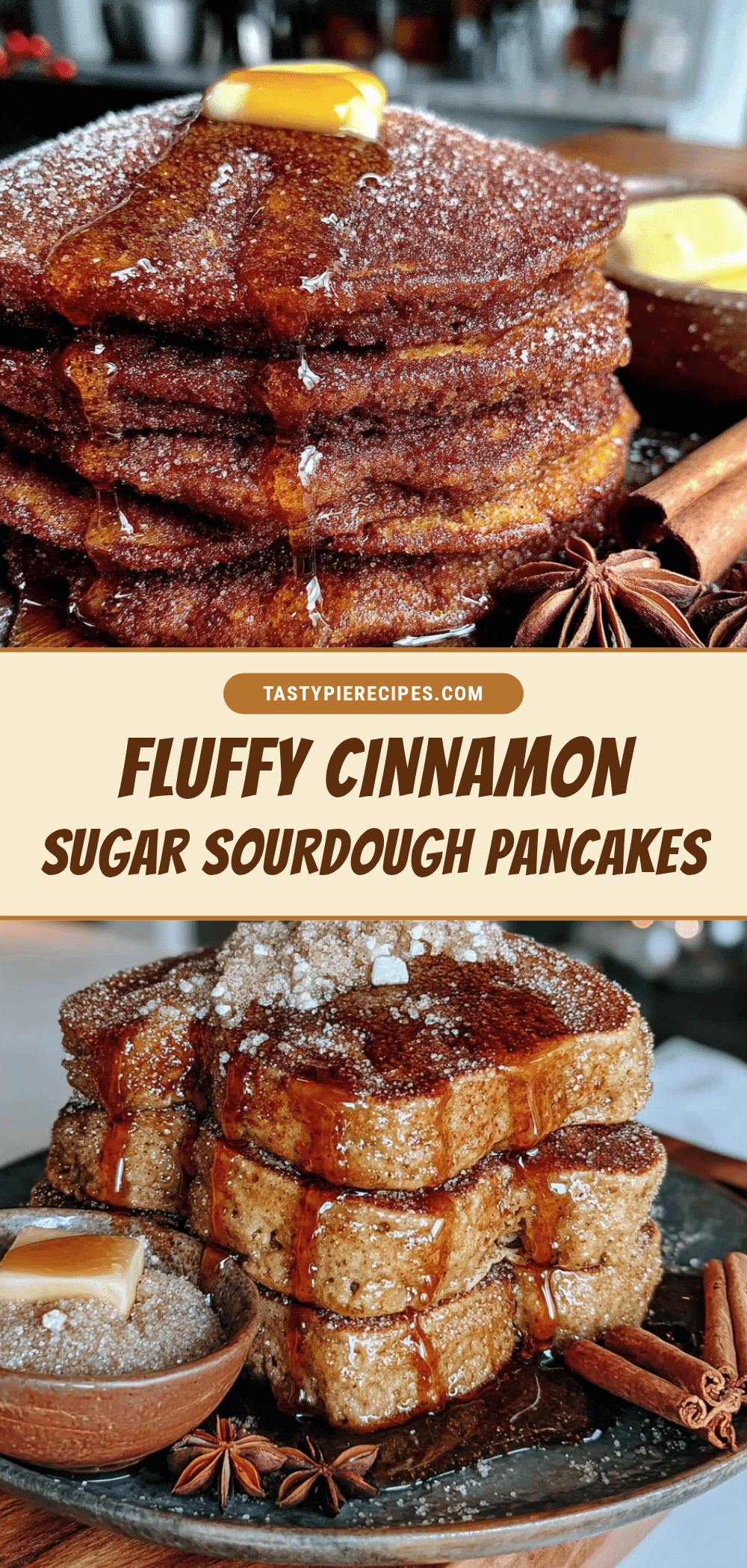
Fluffy Cinnamon Sugar Sourdough Discard Pancakes: Easy & Best Recipe

These fluffy cinnamon sugar sourdough discard pancakes are tangy, sweet, and impossibly light, with a crackly cinnamon sugar crust. They use simple pantry ingredients, come together in under 30 minutes, and are the perfect way to use up sourdough discard.
- Prep Time: 10 minutes
- Cook Time: 15 minutes
- Total Time: 25 minutes
- Yield: 8 pancakes (serves 4) 1x
- Category: Breakfast
- Cuisine: American
Ingredients
- 1 cup (120g) all-purpose flour
- ½ cup (120g) sourdough discard, unfed and at room temperature
- ½ cup (120ml) milk (whole milk preferred)
- 1 large egg, at room temperature
- 2 tablespoons (28g) unsalted butter, melted and slightly cooled, plus extra for the skillet
- 2 tablespoons (25g) granulated sugar
- 1½ teaspoons baking powder
- ½ teaspoon baking soda
- ¼ teaspoon salt
- 1 teaspoon vanilla extract (optional)
- For the cinnamon sugar coating: ¼ cup (50g) granulated sugar mixed with 1½ teaspoons ground cinnamon
Instructions
- Mix the cinnamon sugar coating: In a small bowl, combine ¼ cup (50g) granulated sugar with 1½ teaspoons ground cinnamon. Stir well and set aside.
- Whisk the dry ingredients: In a large mixing bowl, whisk together 1 cup (120g) all-purpose flour, 1½ teaspoons baking powder, ½ teaspoon baking soda, and ¼ teaspoon salt.
- Combine the wet ingredients: In a separate medium bowl, whisk together ½ cup (120g) sourdough discard, ½ cup (120ml) milk, 1 large egg, 2 tablespoons (28g) melted butter, 2 tablespoons (25g) granulated sugar, and 1 teaspoon vanilla extract until smooth and slightly frothy.
- Mix the batter: Pour the wet ingredients into the dry ingredients. Stir gently with a spatula or whisk until just combined. A few lumps are fine. Do not overmix.
- Let the batter rest (optional but recommended): Let the batter sit for 5 minutes at room temperature to allow the flour to hydrate and the baking powder to activate.
- Preheat the skillet: Place a non-stick skillet or griddle over medium heat. Add about 1 tablespoon of butter and let it melt, swirling to coat the surface. The butter should sizzle gently.
- Cook the pancakes: Pour about ¼ cup (60ml) of batter onto the hot skillet for each pancake. Cook until bubbles form on the surface and the edges look set, about 2 to 3 minutes. Flip carefully with a thin spatula and cook for another 1 to 2 minutes on the second side, until golden brown and springy to the touch.
- Coat with cinnamon sugar: As soon as you remove each pancake from the skillet, place it on a plate and immediately sprinkle both sides generously with the cinnamon sugar mixture. Press gently to adhere.
- Repeat with remaining batter: Wipe the skillet clean with a paper towel between batches and add fresh butter. Continue with the remaining batter.
- Keep warm while cooking: Place finished pancakes on a baking sheet in a 200°F (95°C) oven to keep warm. Do not stack directly without parchment paper to prevent sticking.
Notes
For best results, use discard that is not too old (less than 2 weeks in the fridge). Overmixing the batter will make pancakes tough. Coat pancakes with cinnamon sugar immediately after cooking while still hot. Wipe the skillet between batches to prevent burnt bits from sticking. Letting the batter rest for 5 minutes improves fluffiness.
Nutrition
- Serving Size: 2 pancakes
- Calories: 290
- Sugar: 18
- Sodium: 420
- Fat: 10
- Saturated Fat: 6
- Carbohydrates: 44
- Fiber: 2
- Protein: 8
Keywords: sourdough discard pancakes, cinnamon sugar pancakes, fluffy pancakes, easy pancake recipe, sourdough discard recipe, breakfast, brunch